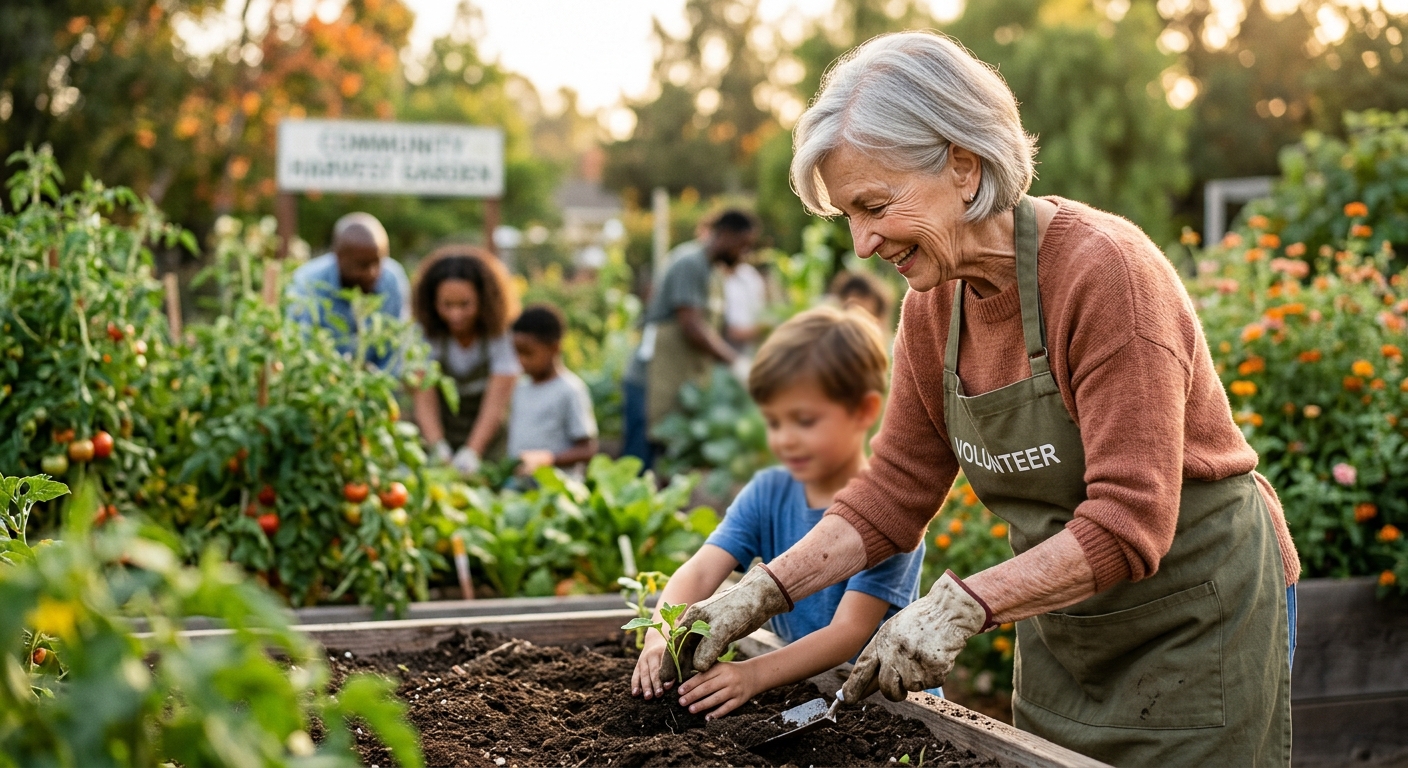
Volunteering in Retirement: Finding Purpose After 65
Who are you if you’re not defined by your job title on your last day of work? That’s the question I heard from Linda, a fiercely independent nurse who retired at 67. For forty years, her schedule was dictated by hospital shifts and the needs of her patients. Then, quite suddenly, she found herself facing quiet mornings and long afternoons without someone relying on her expertise or care. “I thought I’d be elated to finally get some rest,” Linda told me over coffee, “But after a few months, I just felt adrift. I missed the feeling that I was needed.”
She’s hardly alone. A staggering 46% of recent retirees reported feeling a loss of purpose, according to a 2023 Pew Research survey. Yet, I’ve seen firsthand how that narrative can change. Volunteering in retirement can transform those silent stretches into some of the most meaningful years of your life. Senior volunteering isn’t about “giving back” in some vague sense; it’s about reigniting your sense of self, finding new communities, and feeling deeply valued again.
Over the years, I’ve guided hundreds of older adults, nurses, teachers, construction workers, and postal clerks, into roles that matter to them. I’ve watched folks find unexpected joy in tutoring kids, comforting shelter animals, and even leading local theater groups. If you’re nearing retirement or have already traded the office for the garden, you might be wondering: What comes next? How do I fill my days with real meaning, not just busy work? Let’s talk about how senior volunteering can help you write the next chapter, full of purpose, laughter, and a renewed sense that you matter.
—
Why Purpose Matters More Than Ever After 65
Let’s talk frankly. There’s a myth that retirement is all golf and grandkids. Some days, sure, it can be peaceful. But after decades of helping others or showing up for a job, the transition can gut your sense of identity. Human beings crave purpose like we crave food or friendship. Psychologists call it “generativity,” and studies back this up: older adults who feel needed live longer, healthier lives. In fact, a landmark study by the Harvard T.H. Chan School of Public Health found that seniors with a strong sense of purpose were 30% less likely to die during the seven-year follow up, compared with those who felt aimless.
For more on this, see our article on social activities to combat senior isolation.
I remember meeting Harold, a retired science teacher, who confided in me, “I didn’t realize my classroom gave me so much until it was gone.” A few months into retirement, he threw himself into volunteer science programs at the local library. The sparkle came back into his eyes. “Suddenly, Monday meant something again,” he chuckled. The science is clear: senior volunteering isn’t a hobby; it’s life-extending medicine for your soul.
Pro Tip: If you’re feeling adrift, start by journaling about what made you proud during your working years. Look for patterns in what lit you up, those clues often point toward your next chapter.
Common mistake? Waiting until you “feel ready.” Don’t let the inertia of habit keep you isolated. The happiest retirees I know start experimenting with volunteering while still working or within six months of stepping away from their career.
For more on this, see our article on staying mentally sharp.
—
Getting Started: How to Find the Right Volunteer Role for You
Here’s the thing, senior volunteering only leads to a sense of purpose if you actually enjoy what you’re doing. Not all opportunities are created equal. I recall Rosalind, a retired attorney, who signed up for every shift at her local animal shelter, only to discover that she was allergic to cats and dreaded the noise. She felt obligated, not inspired, which is the fast track to burnout.
What I always tell my readers is this: Get honest about your interests, your physical limitations, and the social energy you want to spend. Use online portals like VolunteerMatch or RSVP (Retired and Senior Volunteer Program). RSVP, in particular, connects retirees to opportunities that match their abilities and passions. Last I checked, their annual membership is often free, supported by government grants.
- Step 1: List what you enjoyed about your former job and what you’d rather avoid.
- Step 2: Write down three causes that matter to you, big or small, maybe health awareness, literacy, or simply gardening.
- Step 3: Test the waters. Many organizations offer “trial days” where you volunteer once before committing. Don’t be afraid to ask for one.
For those with mobility challenges, consider remote options like phone check-ins for isolated seniors or tutoring students online.
Pro Tip: Always start small. One shift a week is perfect for ramping up. Overcommitting leads to “volunteer fatigue,” and that’s something I see far too often among enthusiastic newcomers.
—
Where to Volunteer: The Best Places for Seniors to Make a Difference
When I first retired, I thought volunteering only meant soup kitchens and hospitals. But the world of elderly community service is vast. I once worked with Deborah, an 81-year-old fashionista, who led a sewing circle that made quilts for kids in foster care. She insisted, “It’s not about the sewing, it’s the stories and friendships we stitch together.”
Here are some of the most rewarding places for senior volunteering:
- Local Libraries: Offer reading hours, manage book drives, or teach computer skills. Libraries often reimburse travel (check your city policies) and value regular volunteers.
- Hospitals and Clinics: Greet visitors, deliver flowers, or provide patient comfort. Background checks may be required, expect to spend about $30-60 in application fees.
- Animal Shelters: Walk dogs, foster kittens, or organize adoption events. Consider lightweight tasks if you have arthritis or mobility concerns.
- Museums and Gardens: Serve as docent guides or help with groundskeeping. Many sites provide free memberships and invitations to special events for volunteers.
- Schools and Tutoring Centers: Mentor kids, assist teachers, or support after-school programs.
Angela, a former airline steward, found tremendous satisfaction helping homebound neighbors get groceries. Using platforms like Meals on Wheels (which operates in every state), she built new relationships and got her daily steps in. Some programs even reimburse gas, ask your local coordinator. For additional reading, the AARP Estate Planning has published extensive resources on this subject.
Pro Tip: Use your hobbies as a lead. Love photography? Offer to snap events at the community center. Gardening enthusiast? Join your city’s Beautify the Park campaign. When your skills meet your passions, that’s where magic happens. The Alzheimer’s Association provides detailed guidelines for seniors and caregivers.
—
Embracing New Skills: Learning and Growing Through Volunteer Work
Now, I know what you’re thinking: “What if I don’t have experience in anything ‘official’?” Here’s a little secret, volunteer organizations adore enthusiasm over resumes. Senior volunteering is often about learning as you go. Just ask Bill, a retired mechanic, who never used computers. He joined a group that taught basic tech skills to other older adults. Within a year, he was leading classes, video chatting with his grandkids, and troubleshooting his neighbor’s WiFi.
According to a 2021 Stanford Center on Longevity report, retirees who learn new skills through volunteering show measurable improvements in cognitive health and even delay memory decline by up to two years. Incredible, right?
Don’t let a lack of experience keep you out. Look for “onboarding” or orientation sessions. Many hospitals train “cuddle volunteers” for infants, for example, with a two-hour seminar and background checks. Or try AARP’s Experience Corps, a program that provides training and places you with students who need reading help. There’s no charge for training, and you’ll meet peers in the process.
That sense of accomplishment? It’s addictive, in the best way. You’re not just helping others, you’re growing as a person.
Pro Tip: Challenge yourself to try something that scares you just a little. The first day might be awkward, remember, everyone else started somewhere, too. Growth begins at the edge of your comfort zone. For more guidance, read our article on Creating a Senior-Friendly Garden. For more guidance, read our article on Skin Care Tips for Aging Skin.
A common blunder? Signing up only for things you already know. The happiest seniors I’ve coached stretch into roles that require just a teensy bit of learning, enough to keep retirement vibrant. For more information, the Harvard Health Publishing publishes regularly updated guidelines on this topic.
—
Social Connections: Building Community and Combating Loneliness
We don’t talk about loneliness enough, especially among retirees. In my years interviewing older adults, loneliness is the hidden epidemic. Nearly one in three adults over sixty-five say they feel isolated, according to the National Academies of Sciences, Engineering, and Medicine. And here’s the kicker: loneliness is as harmful to health as smoking fifteen cigarettes a day. Yikes.
That’s what stuck with Bobbie, a widowed accountant, who started volunteering at her church’s food pantry after her husband died. “I went in thinking I’d help others, but honestly, I was the one who was rescued,” she admitted. The friendships she made became her lifeline. Senior volunteers don’t just give back; they receive human connection, routine, and lots of laughter.
How can you cultivate these bonds? Look for recurring, team-based roles. Projects like community gardens, musical groups, or group mentor programs foster camaraderie. Shared meals after a project? That’s where relationships deepen. Some organizations, like the National Council on Aging, host volunteer appreciation breakfasts, check their events calendar.
Pro Tip: Arrive early and linger after shifts. Casual chats before you clock in lead to real friendships. Don’t be shy, ask if anyone wants to grab coffee or go for a walk after your volunteer stint.
Watch out for roles that are mostly solitary or completed from home, unless you specifically want alone time. If your goal is connection, make that clear to a volunteer coordinator so they pair you with group activities.
—
Making an Impact: Volunteering and Better Health Outcomes
Here’s something that always knocks people off their chairs: Research consistently shows that volunteering improves physical health, especially among older adults. Regular elderly community service can lower blood pressure, reduce rates of depression, and even boost your immune system. The Corporation for National and Community Service found that volunteers aged sixty and up were 44% more likely to describe their health as “very good” compared to non-volunteers.
I once worked with a couple, Henry and Maureen, in their late seventies. They spent three months leading gentle chair yoga sessions at the local senior center. Not only did participants report less chronic pain, but both Henry and Maureen said, “We’re standing up straighter and feeling years younger!” Physical activity combined with purpose amplifies the health benefits.
If you’re looking to improve your own well-being, seek out roles that get you moving. Walking dogs, gardening, or delivering meals all log steps on your pedometer. Some seniors prefer less strenuous options, like assembling care packages or making phone calls, which still help you stay mentally sharp. Healthcare professionals at the National Institute on Aging have published helpful guidelines on this topic.
Cost-wise, many organizations cover necessary equipment, snacks, or even transportation for their regulars. Don’t be afraid to ask what’s provided. For those on a tight budget, focus your search on places like local libraries or city-run programs, which often require zero out-of-pocket expense. The National Institute on Aging recommends similar approaches for improving senior health outcomes.
Pro Tip: Track your mood and energy after each shift. I recommend jotting a quick note in your calendar or journal: “Today’s shift, felt happy, tired but satisfied.” This builds awareness and helps you maximize the roles that give you the biggest mental boost.
Don’t make the mistake of ignoring your body’s signals. If a role leaves you exhausted or in pain, speak up. It’s okay to pivot and try something new.
—
Discovering Faith-Based and Service Club Opportunities
For many, faith is what gives life meaning long before retirement. If that’s you, your local place of worship offers a wealth of senior volunteering possibilities. When I visited St. Agnes Parish, I met a group of retirees assembling holiday baskets for families in need. Florence, who led the effort, said, “It’s not just about charity, it’s sharing stories, recipes, prayers, and love.”
Churches, synagogues, mosques, and temples typically organize recurring events that need hands: soup kitchens, hospital visitations, or fundraising fairs. Roles vary from welcoming new families to organizing transportation for those with disabilities. Most faith-based groups have “ministry coordinators” or volunteer liaisons, call or meet in person to learn more.
“The best part about volunteering with my temple,” Ruth explained, “is the feeling that you belong to a family, even at 82.” No faith? Service clubs like Kiwanis, Rotary, or Lions Club, which are non-denominational, are perfect for retirees wanting to serve while building a fun social network. They host charity runs, literacy events, and mentor youth, often with monthly dues ($30-$60) that cover meetings and local projects.
Pro Tip: Ask about transportation support if you no longer drive. Many groups coordinate carpools or offer rides for older volunteers.
Common pitfall? Overextending yourself during religious holidays when volunteer needs spike. Be clear about your boundaries: “I can help set up Saturday morning, but not all weekend.” The best volunteering should energize you, not wear you out.
—
Intergenerational Volunteering: Bridging the Gap and Leaving a Legacy
I love watching the magic that happens when seniors and younger generations join forces. Too often, age groups live in separate worlds. When you volunteer side by side, real empathy blooms. Grandparents feel valued, while teens and twenty-somethings soak up wisdom they might never hear in a classroom. For more guidance, read our article on Transportation Options for Non-Driving Seniors. For more guidance, read our article on Hydration and Fluid Intake for Elderly Adults.
A great example is the Foster Grandparents Program (FGP), which places retirees in elementary classrooms to tutor struggling readers. Maria, a retired engineer, told me helping second graders with their math homework was “the most fun I’ve had in years.” The kids called her “Abuela,” and teachers credited her with boosting literacy rates. FGP pays a small stipend to eligible seniors, around $3/hour, enough to cover gas and lunch. Community health programs endorsed by Johns Hopkins Medicine have shown measurable improvements.
If you’re passionate about leaving a legacy, mentoring programs can change lives. I’ve seen retired entrepreneurs guide teens through business plan competitions, and homemakers teach cooking classes at YMCAs. Many libraries or Boys and Girls Clubs host family nights, pairing seniors and kids for arts and craft projects.
Pro Tip: Start with a project-based role, like helping build a community garden or hosting a family reading night. It’s easier to commit for a season, then evaluate whether you want to do something recurring.
A word of caution: sometimes teens might seem glued to their phones or disinterested. Be patient, in my experience, once they warm up, those relationships are pure gold.
—
Virtual and At-Home Volunteering: Options When Mobility or Transportation Are Barriers
Not everyone wants (or is able) to venture out daily. Physical limitations, caregiving duties, or transportation woes might keep you closer to home. That doesn’t mean your volunteering days are over. During the pandemic, I worked with scores of seniors who discovered incredible satisfaction volunteering entirely from home.
Agencies like AARP Community Connections and Be My Eyes match retirees with virtual roles. Some call homebound elders for a friendly chat. Others knit hats, record audiobooks, or tutor students via Zoom. Carolyn, a retired paralegal, spends mornings moderating a local neighborhood Facebook group, keeping older adults updated on community happenings. Further clinical recommendations are outlined by the Medicare.gov.
How much does it cost? Almost nothing, you’ll need a phone, basic internet, and in some cases, a computer or tablet. If you don’t have one, check with your library or ask about device loan programs. You can find more research-backed recommendations at the World Health Organization.
- Volunteer from home by:
Pro Tip: Set up a dedicated workspace at home, a corner with good light and your favorite chair. Structure matters. Treat your “shift” as real work, wearing proper clothes and setting an alarm, especially in the beginning.
Pitfall to avoid? Fizzling out due to lack of feedback. Ask your coordinator for regular check-ins, updates on your impact, or virtual team meetings to stay motivated and connected.
—
Overcoming Roadblocks: What To Do When Volunteering Becomes a Chore
As much as I want to shout from the rooftops about the benefits of senior volunteering, let’s acknowledge that not every experience is rosy. Some assignments are poorly organized, or leadership changes and leaves you unsupported. Barbara, an enthusiastic newcomer at her city’s animal shelter, called me in tears after a few months. “I feel unappreciated and lost,” she lamented.
First, recognize it’s normal to hit bumps or outgrow a role. The fix? Treat your volunteer commitments with the same respect you did your career. If something feels off, schedule a meeting with a supervisor and share your feedback. Good organizations want happy, engaged volunteers. If the fit isn’t right, it’s perfectly okay to try something new.
Schedule “volunteer vacations”, intentional breaks every few months to recharge. I recommend tracking emotions weekly. If Sunday night feels dread-filled, investigate why. Maybe the activity shifted, or your interests evolved.
Pro Tip: Build a volunteer team of friends. Shifts with a buddy (or a trusted neighbor) are more social, and debriefing over lunch afterward helps process any ups or downs.
Remember, you don’t owe anyone lifelong commitment. The right opportunity will energize you to return, week after week, with enthusiasm. If it doesn’t, be gracious and move on. There are countless places who need your caring hands, and many that will appreciate you properly.
—
Conclusion: Your Three-Step Action Plan for Finding Purpose After 65
If you’ve read this far, you probably feel ready for more than routine. Maybe you’re yearning for a new circle of friends or aching for the feeling of being needed again. I promise, it’s not too late. Every week, I see retirees light up when they discover their “why” again, through senior volunteering, elderly community service, and saying yes to small ways to help others.
Here’s what I recommend to get started this month:
Step One: Make It Personal.
Grab a pen and write down what mattered most in your working years. Ask yourself: What did I love about my job, family, or hobbies? What issues make me angry, happy, or hopeful? Those answers are the breadcrumbs to your next meaningful chapter.
Step Two: Test the Waters.
Pick two or three local organizations or causes that seem interesting and try out a shift. Show up, keep your mind open, and don’t worry about being an expert. Remember, one-off experiences are as valuable as regular ones in the search for the right fit.
Step Three: Build Your Circle.
Invite someone to join you, even just once. As I always say, joy doubles when shared. Don’t be shy about forging new alliances with your fellow volunteers, often, the friendships you make are as life-changing as the service itself.
You’re never “too old” to be needed, and the world is hungry for the wisdom, love, and energy you’ve gathered in a lifetime. Your next purpose could be a phone call, a garden bed, a smiling child, or a new best friend away.
Take the first step. The rest of your story, rich with meaning, is still unwritten. And if you ever feel stuck, remember Linda, who started our story. She now spends Mondays leading a group for new retirees at her local library. “It saved my life,” she says softly. “I feel needed again. I have purpose.” You can, too.
You Might Also Enjoy
Your Action Checklist
Print this out:
- Make a “two-hour test” commitment — Pick one volunteer shift that lasts 2 hours, once a week, for 30 days. Put it on a real calendar so it feels official. I like the AT-A-GLANCE Wall Calendar (about $12 at Staples) because you can see your whole month at once.
- Get one comfortable pair of shoes and stop “making do” — If your feet hurt, you will quit. Period. Sketchers GOwalk Joy (around $55 at Kohl’s) has saved my knees on long pantry lines and hospital hallways.
- Buy a simple nametag and a black marker — It sounds small, but it makes you feel like you belong. Avery Name Badges (100-count, about $9 on Amazon) plus a Sharpie Ultra Fine (about $2 at Target) keeps you from whispering your name over and over.
- Set up a “volunteer bag” you don’t unpack — One tote that lives by the door: water, snack, sanitizer, tissues, pen. I use a Baggu Medium Nylon Crescent Bag (about $55) because it’s light and doesn’t slide off my shoulder.
- Track your hours in one place — Not for bragging. For your own memory. A Moleskine Classic Notebook (about $20 at Barnes & Noble) with a simple log: date, place, how it felt, one person you met.
- Handle background checks and ID once — Keep a folder so you’re not scrambling. A Smead expanding file (about $12 at Office Depot) holds your ID copy, emergency contact sheet, and any volunteer forms.
- Plan transportation like it’s a doctor’s appointment — If driving is stressful, don’t fight your body. Price out a backup. In Atlanta, I’ve watched folks stick with volunteering because they budgeted for Lyft rides—$15–$25 each way—on days their energy is low.
- Choose one cause and one boundary in writing — Cause: “food pantry,” “library,” “patient companion.” Boundary: “No lifting,” “No evenings,” or “No more than 3 hours.” Write it on an index card and keep it in your wallet. Oxford index cards (about $2 at Walmart) work fine, and seeing it in black and white keeps you from overcommitting.
A Personal Note from Angela
I need to tell you something I don’t always say out loud. When my auntie Ruby stopped working, she looked smaller in her own living room. Same chair. Same lamp. But her eyes kept drifting to the window like she was waiting for someone to give her the next assignment. I was already training caregivers in Baltimore then, and I still missed the signs. I assumed she’d “enjoy the break.” She didn’t. She felt erased.
The first time I took her to volunteer at a church pantry on Edmondson Avenue, she cried in the car afterward. Not big movie sobs. Quiet tears. She said, “I forgot I’m still useful.” That hit me hard because I’ve felt it too—after a long caregiving stretch, I once sat in my kitchen and couldn’t name one thing that belonged to me. If you’re there, you’re not broken. Start small. Let people need you in a healthy way. Purpose comes back, one honest hour at a time.
Leave a Reply