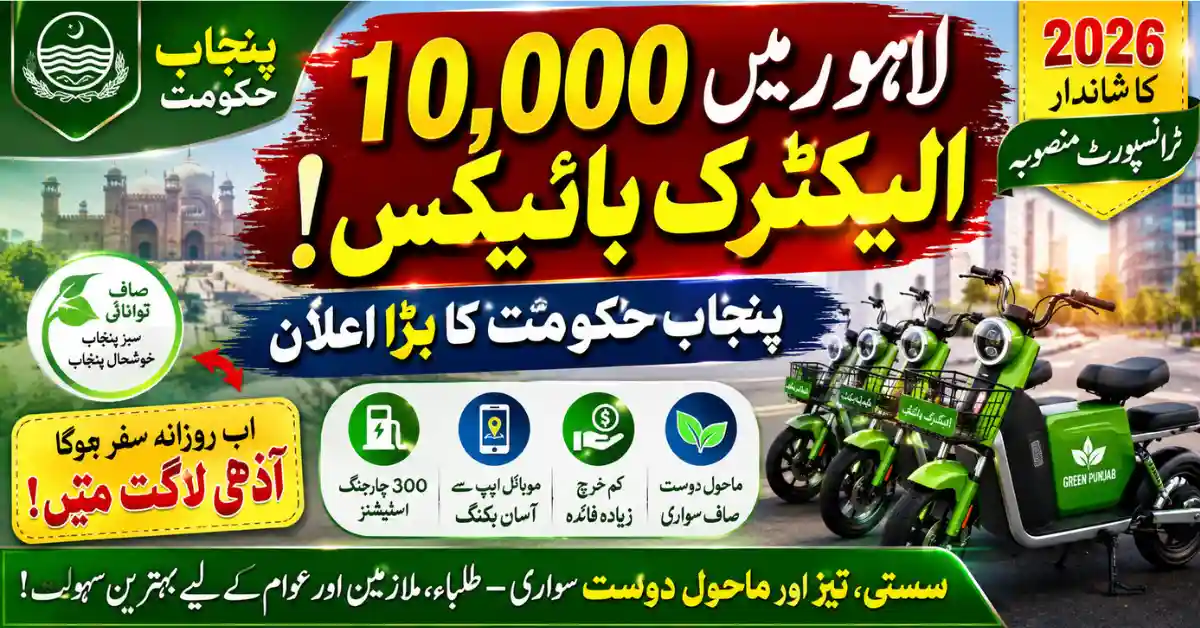
Last reviewed: 13 August 2026. Punjab’s official Transport Department publishes notices about electric mobility, electric buses, electric two-wheelers, vendor registration, and related procurement. This guide explains what those notices can establish and how readers can avoid confusing a supplier document with a public rental or application programme.
What Punjab’s official transport information confirms
The Punjab Transport Department describes work aimed at safer, more efficient urban transport and lists eco-friendly bus initiatives. Its notices page contains documents concerning the procurement of electric bikes, registration of original equipment manufacturers and electric two-wheelers, and other electric-mobility projects. These are genuine government records, but each notice has its own audience and legal purpose.
A notice may be directed to a manufacturer, supplier, consultant, operator, or project participant. It may invite quotations, seek pre-qualification, or explain technical requirements. It should not automatically be presented to ordinary residents as an open consumer application scheme.
Procurement is different from a rental service
A procurement or vendor-registration document does not by itself prove that the public can rent a bike through a mobile application, that a fixed number of bikes is available, that docking stations are operating, or that a fee and launch date have been approved. Those details require a consumer-facing notice from the responsible authority.
For the same reason, an article should not promise that students, office workers, or every daily commuter is eligible unless the authority publishes eligibility rules. A project can change between planning, procurement, pilot operation, and public rollout.
How to verify an electric-mobility announcement
- Start with the official Punjab Transport Department website.
- Read the official tenders and notices page.
- Identify the responsible agency, project name, document date, and intended audience.
- Check whether the notice is for suppliers or for members of the public.
- Confirm any stated route, district, fee, financing terms, eligibility, opening date, and application link.
- Use only the official domain for an application and avoid shortened links distributed through social media.
Questions readers should ask before applying
- Is this an official consumer programme or only a procurement process?
- Who is responsible for delivery and customer support?
- Are there published terms for deposits, insurance, damage, charging, and returns?
- Does the application ask for a CNIC or bank information, and is that request explained on an official page?
- Is the programme currently open, or is the document only announcing future procurement?
Safety and fraud warnings
Do not pay an intermediary who promises a guaranteed electric bike, a special quota, or early access. Do not send an OTP, banking password, or full identity document to an unofficial page. If a link claims to be a Punjab government application but uses a different domain, close it and check the official Transport Department site instead.
Current transport context
The Transport Department’s public pages also describe mass-transit and eco-friendly bus initiatives. Electric mobility is therefore part of a broader transport policy, but different projects have different agencies, procurement stages, routes, and users. Readers should avoid combining facts from the student Punjab Bikes scheme, electric-bus procurement, and any future rental pilot as if they were one programme.
Official sources
Check the Punjab Transport Department, its tenders and notices, and the Punjab Transport Company where relevant. Govt Schemes Secrets is independent and does not operate an electric-bike rental service.
Related guides
See our Punjab Bikes student-scheme guide, Punjab passenger-safety guide, and youth skills guide.