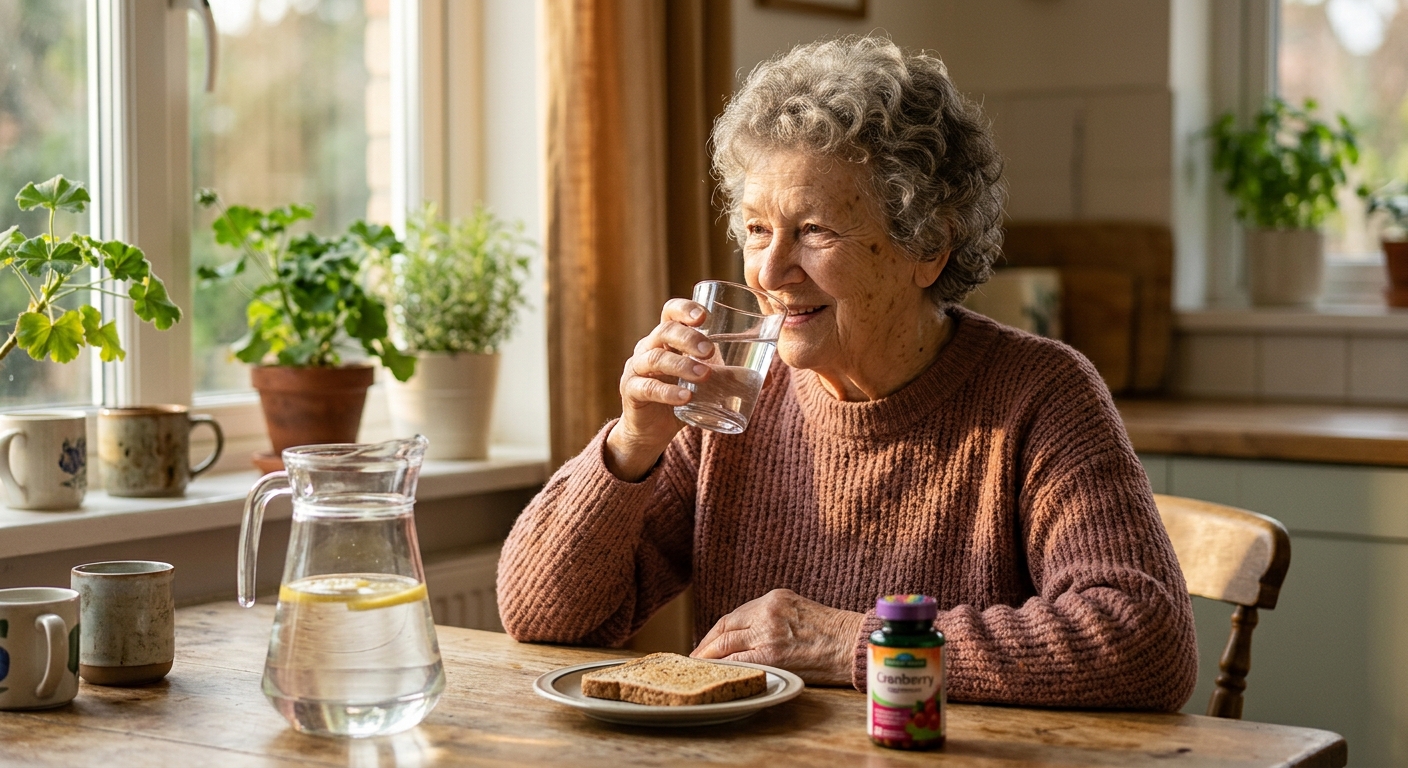
Preventing Urinary Tract Infections in Elderly Women
Let me share a story that still stays with me. I once worked closely with a lively, witty 82-year-old named Elsie. She had always been fiercely independent, but spent her last birthday in and out of the hospital, each visit triggered by the same sudden, nagging UTI. We’re talking weeks of fatigue, confusion that made her grandchildren worry, and an overwhelming fear that she might never feel quite right again. Find me a family who hasn’t gone through something similar and I’ll show you a rare gem.
But here’s what many folks don’t realize: nearly one out of every two elderly women will battle a urinary tract infection each year, according to the National Institute on Aging. It’s one of the most common reasons older women land in the ER. Even more sobering is that UTIs in seniors don’t always show the classic burning or urgency; instead, they might slip in quietly, causing sudden falls, confusion, or mood changes that look like dementia. That silent, sneaky presentation is exactly why so many families end up blindsided.
What struck me with Elsie, and so many other women of her generation, was how easily these infections can spiral out of control without the right knowledge and little daily habits. That’s where I come in. Over fifteen years, I’ve watched hundreds of families wrestle with urinary health during aging. I’ve seen the heartache when missed warning signs lead to long hospital stays, but I’ve also seen the relief when small, consistent steps keep infections at bay.
So, let’s talk honestly about UTI prevention for seniors, especially for our mothers, grandmothers, and aunts. I’ll share what actually works, the common myths that need to go, and the practical, day-to-day strategies every family can use to protect the women they love. Because growing older shouldn’t mean giving up comfort, dignity, or a sense of control over our health.
For more on this topic, check out our guide on hydration and fluid intake for elderly adults.
Why Elderly Women Are at Higher Risk for UTIs
Let me introduce you to Marilyn, a retired schoolteacher and grandmother of five. She always kept her doctor’s appointments and took her vitamins, but after her 75th birthday, she found herself grappling with back-to-back UTIs. “Why me?” she’d ask in frustration, convinced she was doing everything right.
I hear this all the time. Here’s the reality: elderly women have a unique set of risk factors that young women just don’t face.
For more on this topic, check out our guide on managing medications safely in senior years.
First, estrogen plays a huge role in protecting the urinary tract. As women age, their estrogen levels drop, and so does the natural acidity in the vagina that keeps bad bacteria in check. This makes it easier for troublemakers like E. coli to colonize the urethra and bladder. According to research from the Cleveland Clinic, hormonal changes in postmenopausal women increase UTI risk by 32 percent compared to premenopausal women.
Then you’ve got thinning of the bladder and urethral tissues, which makes them more fragile and less able to fight off invaders. Don’t forget about mobility challenges either. If someone is struggling to get to the bathroom quickly due to arthritis or balance issues, they may hold urine longer than is healthy, giving bacteria more time to multiply.
Chronic conditions like diabetes also come into play. High blood sugar can feed bacteria, and nerve damage can make it harder to sense fullness in the bladder. Some medications, like those for high blood pressure, may reduce urination, leading to stagnant urine.
Pro Tip: If your loved one suddenly becomes confused or lethargic, don’t dismiss it as “old age.” In my experience, these are red flags for a possible UTI, especially when fever or incontinence is also present.
Quick checklist: Why might an elderly woman be at risk?
– Lower estrogen after menopause
– Thinning urinary tissues
– Weakened immune system
– Chronic health conditions (especially diabetes or kidney issues)
– Limited movement or bladder control
– Use of catheters
Insider tip: Even recurring vaginal yeast infections can hint at underlying UTI risk. When in doubt, ask about the full spectrum of urinary and reproductive health symptoms.
Recognizing Sneaky UTI Symptoms in Older Women
A couple of years back, I visited Helen, a fiercely independent widow who prided herself on making perfect scones. Her daughter noticed Helen was suddenly mixing up her recipes, losing her place mid-sentence, and even struggling to find the bathroom in her own apartment. The culprit? A severe but otherwise “silent” UTI.
Unlike younger women, elderly women often experience UTIs with no pain or burning, sometimes nothing that screams “infection.” Instead, the symptoms hide in plain sight. Confusion is the most common, but you might see:
- Sudden incontinence or new accidents
- Drowsiness or excessive sleepiness
- Falls or poor balance
- Loss of appetite
- Agitation, irritability, or mood swings
The Centers for Disease Control and Prevention backs this up, noting that up to 30 percent of UTIs in seniors present with “delirium,” often leading to unnecessary hospital stays.
What I always tell families is this: if there’s a new or rapidly worsening behavior that doesn’t add up, ask the doctor to rule out a UTI first. Lab tests like a urinalysis and urine culture can catch infections early, sometimes before other symptoms develop.
Pro Tip: Keep a simple symptom diary. If you notice changes, jot them down, when they started, what’s different, and how severe. This info can be gold for your doctor or nurse. Seniors and caregivers can explore further resources at the Alzheimer’s Association.
Case in point
I once recommended to a family that they try a tablet-based “memory log” app, costing around $25. Tracking mood, sleep, eating, and bathroom habits helped them spot a pattern: every time their mother’s mood shifted dramatically, a UTI was brewing. Early treatment meant three fewer ER visits that year.
Hydration: The Unsung Hero of UTI Prevention
It sounds so simple that many people overlook it: drinking enough fluids is the easiest defense against UTIs. But here’s the rub, many older women actually fear drinking water because they worry about accidents. “If I drink too much, I’ll never make it to the bathroom,” my friend Clara confided, a concern I’ve heard echoed in countless living rooms and hospitals.
The problem is, concentrated urine becomes a perfect breeding ground for bacteria. The kidney specialists at Johns Hopkins found that seniors who drink under four cups of water a day are 1.8 times more likely to develop a UTI than those who drink six cups or more.
Now, I know, getting an older adult with mobility or incontinence issues to drink more can feel like a losing battle. Here are some tricks that actually work:
- Offer small sips of water or diluted juice every hour, not just at meals
- Use fancy or fun water bottles with measurement lines (around $15 at most pharmacies or online)
- Serve water-rich snacks, think watermelon, cucumber, or popsicles
- Try herbal decaffeinated teas, avoiding ones with bladder irritants
Pro Tip: If your loved one resists plain water, add a splash of cranberry juice (not cocktail, look for 100 percent juice). The extra flavor entices sipping, and cranberries contain proanthocyanidins, which Harvard researchers say can lower UTI risk by 25 percent.
What should you avoid? Don’t push caffeinated drinks or soda, since they can irritate the bladder and make things worse.
Product pick
The HidrateSpark PRO Smart Water Bottle (about $60) glows and sends reminders to sip. One daughter swears her mother’s water intake doubled with this gadget, no more nagging required.
Smart Hygiene Habits That Truly Work
Let’s talk bathroom routines. Carol, who’s been caring for her mother-in-law for a decade, once confessed, “All it took was switching to unscented wipes and a shower nozzle to cut the infections in half.” For more guidance, read our article on Creating a Senior-Friendly Garden. Clinical experts referenced by WebMD recommend a personalized approach for each patient.
I’ve learned there’s a lot of misinformation floating around about “feminine hygiene.” Over-cleansing, using talc, and perfumed “freshening” products do far more harm than good. What helps actually boils down to common sense and science:
- Wipe front to back, always. This tiny change prevents bacteria from the rectum entering the urethra.
- Avoid douches, scented sprays, and harsh soaps. Warm water is best, with mild unscented soap a couple of times a week.
- Opt for cotton underwear, which allows for airflow and moisture control. Skip synthetics.
- Change incontinence pads promptly, never reuse or wear wet pads for long.
The American Urological Association reminds us that such hygiene steps can reduce UTI incidents by up to 30 percent in high-risk elderly women.
Pro Tip: If daily showers are too much, target the perineal area with gentle cleansing using disposable washcloths. Amazon’s Medline ReadyBath (about $8 for a pack) are a staple in many senior homes for a reason.
Mistakes to sidestep
Don’t be fooled by “feminine deodorant” sprays or wipes. Several clients saw infections spike dramatically after switching to these products, likely because they disrupt the body’s natural defenses.
Bladder Emptying: Why It Matters More Than You Think
Seems basic, right? But I’ll tell you, incomplete emptying of the bladder can be a hidden, chronic problem in elderly women. This isn’t always obvious, either, sometimes the bladder feels ‘empty’ when it isn’t, especially in women with diabetes, pelvic organ prolapse, or certain medications.
A wonderful woman named Hilda learned the hard way after three infections in six months. Her doctor ordered a bladder scan, revealing she regularly harbored 100 mL of urine even after using the toilet. With her new routine, sitting longer on the toilet, double-voiding (urinating, pausing, then trying again), and setting a “bathroom timer” every two hours, her UTI rate plummeted.
A study in the Journal of the American Geriatrics Society found that scheduled toileting and double-voiding reduced UTI rates by about 36 percent in women over 70.
Pro Tip: Set reminders on your loved one’s phone or use a simple kitchen timer to cue bathroom trips every two to three hours. The Predictable Care app (free, with premium options) lets families schedule these reminders together.
Avoid this common slip-up
Many seniors cut back on fluids intentionally to avoid “accidents,” leading to concentrated urine that’s more likely to foster infections. Emphasize regular, timed bathroom visits rather than withholding fluids.
Special situation: mobility issues
For women who have trouble reaching the toilet, bedside commodes ($50, $80) or raised toilet seats are game-changers. They cut down on rushed trips and accidental leakage.
Managing Incontinence for Urinary Health During Aging
Here’s a topic that makes a lot of women cringe. Incontinence is so common that it often gets normalized, but it’s actually one of the biggest drivers behind recurring elderly women UTIs. Pads and briefs are lifesavers for many, but they need to be used correctly. The National Institute on Aging recommends similar approaches for improving senior health outcomes.
For example, Joan’s daughter noticed a pattern: every time her mother wore the same incontinence pad overnight or waited until it was soaked to change it, a UTI would follow soon after. They switched to a schedule of changes every four hours and picked pads that wicked moisture away from the skin.
What works best?
- Change pads or briefs promptly after each wetting
- Use products with a breathable layer like Always Discreet or TENA (around $13 for a pack of 24)
- Clean skin with non-irritating wipes and apply barrier creams
A 2022 review in the Journal of Wound, Ostomy and Continence Nursing confirms that prompt changing and breathable materials can cut UTI rates by up to 40 percent for those with urinary incontinence.
Pro Tip: Invest in reusable waterproof bed pads ($18, $30) to protect bedding from leaks at night. It makes cleanup easier and lets women rest comfortably.
Watch out for
Wearing plastic-backed pads, nylon underwear, or tight clothing can trap moisture and heat, making it easier for bacteria to thrive.
Proper Use of Cranberry and Probiotics
Now, let’s tackle the cranberry debate. I must have fielded this question hundreds of times: “Should mom take those cranberry pills?”
Here’s my answer: Cranberry products can *help* lower the risk, but they’re not a miracle cure. The key is finding standardized supplements, ones with at least 36 mg proanthocyanidins (PACs) daily. Studies, including one from the Cochrane Database, show a 25–30 percent reduction in recurrence for women with frequent UTIs.
Brands like AZO Cranberry (about $15 for a month’s supply) or Ellura (about $45 for a 30-day supply) offer reputable formulas. But remind your doctor, since supplements sometimes interact subtly with other meds.
Probiotics, specifically lactobacillus species, show modest benefit as well. They crowd out the “bad bugs” and can help restore natural defenses, especially after antibiotics. Florastor or Culturelle (around $17 for a month’s supply) are reliable and widely available at major drugstores.
Pro Tip: Start probiotics right after a course of antibiotics to help restore balance, and take cranberry supplements with your largest meal for best absorption.
Watch for this pitfall
Don’t rely solely on supplements. I’ve seen families skip basic hydration and hygiene steps, assuming cranberry pills alone would “fix” repeat infections. Think of these as support, not substitutes. For more guidance, read our article on Transportation Options for Non-Driving Seniors. Trusted medical professionals at Harvard Health Publishing reinforce the importance of these habits.
Addressing Sexual Health and Estrogen Changes
Sexual activity can absolutely impact urinary health for aging women, especially postmenopause. In my work, I’ve seen many women embarrassed to discuss changes in this part of life, but it’s so relevant.
Vaginal dryness, a shift in pH, and microtears from dryness make it easier for bacteria to cause infection. The good news is that vaginal estrogen therapy, tiny tablets or creams prescribed by a doctor, can reduce UTI risk up to 50 percent, according to the American College of Obstetricians and Gynecologists.
Ten years ago, Doris, age 79, felt “like a new woman” after switching to a prescription estrogen cream (Estrace, costing around $70 monthly). She also used over-the-counter lubricants like Replens (about $14), which helped with dryness and comfort.
Don’t be afraid to ask the doctor about localized estrogen options. They’re low-dose and act locally, with very few systemic effects.
Pro Tip: Women with new partners or who are sexually active should always urinate shortly after intercourse and use a gentle, unscented lubricant to minimize microtrauma.
Pitfalls to avoid
Overusing OTC yeast infection treatments or douches can worsen tissue dryness and destroy protective bacteria. Less is more.
Partnering with Healthcare Providers: The Right Way
Here’s what I’ve learned: building a good relationship with your loved one’s doctor or nurse practitioner is half the battle. UTI prevention in seniors really shines when the care team and family work together.
Take Rose, whose daughter brought an “infection tracker” to appointments. By documenting each episode, when it happened, the treatments used, what may have triggered it, they spotted a trend: after every new diuretic prescription, Rosie’s UTIs spiked. You can find more research-backed recommendations at the World Health Organization.
Here’s what you should bring to your provider:
- A list of all symptoms, even vague ones like fatigue or confusion
- A “UTI calendar” showing dates of past infections and treatments
- Questions about adjusting meds, especially those that impact bladder function
Ask directly about:
– Screening for post-void residual urine (a simple bladder ultrasound)
– Whether your loved one might benefit from vaginal estrogen or probiotics
– Ways to safely stop unnecessary urinary catheters (a big infection risk, every day with a catheter increases risk by 7 percent, according to the CDC)
Pro Tip: Always advocate for a urine culture (not just a dipstick test) before starting antibiotics. Overuse of antibiotics can lead to resistant infections and destroy protective bacteria.
Missteps to watch for
Don’t let vague symptoms of confusion or falls get brushed aside. Push for a urinary assessment, especially if your loved one has had infections before.
Preventing UTIs in Long-Term Care and Assisted Living
If your loved one lives in assisted care, prevention gets trickier, but not impossible. I distinctly remember one facility’s “hydration cart” program, where staff offered fun drinks and fruit-infused waters twice a day, cutting UTIs for their residents by 50 percent, based on facility records.
Coordinate with staff on these points:
– Scheduled toileting, especially after meals and before sleep
– Promoting water-rich beverages and discouraging caffeine
– Regular perineal hygiene using gentle, rinse-free cleansers
– Frequent changes of incontinence products, with “checks” every two hours
Ask for staff to use bladder scans if there are concerns about incomplete emptying. If a catheter is needed, ensure it’s removed as soon as it’s not medically necessary.
Pro Tip: Label your loved one’s water bottles or favorite mugs. Visual cues help staff remember who needs encouragement for sips throughout the day.
Real-world solution
A daughter in one facility created a “hydration buddy” program among residents, where pairs reminded each other to drink during activities. Rates of both falls and infections dropped, and friendships blossomed in the process.
Watch out for
UTIs in nursing homes are often overtreated, especially for non-specific symptoms like confusion. Make sure a diagnosis is based on lab results and a full symptom review, not just a positive urine dipstick.
Conclusion: Your 3-Step UTI Prevention Plan
Caring for an elderly woman’s urinary health as she ages can feel overwhelming, but I promise it doesn’t have to be. Over the years, I’ve watched anxiety and frustration turn to pride and relief, sometimes with just a few simple tweaks.
Here’s the 3-step plan I recommend:
1. Make Daily Prevention Second Nature
Help your loved one build habits around hydration, regular bathroom breaks, and gentle hygiene. Set reminders, use fun water bottles, stock up on cotton underwear and unscented wipes. Treat these as normal parts of the daily routine, not special chores.
2. Track and Act on Symptoms Immediately
Keep a written or digital log of changes, from bathroom patterns to confusion or falls. Act quickly if you spot a pattern. Don’t wait for ‘classic’ symptoms like burning; advocate for urine tests if anything seems unusual.
3. Work Closely With Healthcare Providers
Bring detailed histories to appointments; share your symptom diary and past infection timeline. Ask directly about post-void assessments, medication reviews, and whether tools like probiotics or vaginal estrogen are suitable. In long-term care, ensure staff follow best practices and that your loved one’s preferences are honored.
UTI prevention for seniors, especially elderly women, might seem like a lot to juggle, but you don’t need to strive for perfection. Small, consistent steps really do make for better, safer days. Let your loved one’s comfort and dignity be your compass, and trust that you’re making a difference. Every smile, every infection-free month, is a victory.
And remember: you’re not alone in this. I’ve seen families turn the tide with compassionate teamwork. If Elsie, Marilyn, Helen, and so many others can reclaim their comfort and independence, so can your loved one. Sometimes, that starts with a single glass of water and a caring, watchful eye.
Here’s to brighter, healthier days ahead, for you and the women who mean the world to you.
You Might Also Enjoy
- Hydration And Fluid Intake For Elderly Adults
- Managing Medications Safely In Senior Years
- Skin Care Tips For Aging Skin
- Superfoods That Boost Immunity
What the Experts Say
“In older women, a urinary tract infection doesn’t always look like burning or frequency. I often see it show up as sudden confusion, sleepiness, or a sharp drop in appetite. The biggest mistake families make is waiting for ‘classic’ symptoms. If behavior changes quickly, treat it like a medical red flag and get a urine test the right way—clean catch when possible, and a catheter sample if contamination keeps muddying the results.”
— Dr. Emily Henderson, MD, Geriatrician, University of Michigan Health
I wish someone had said that to me when I was still learning how to be my mom’s caregiver. We were in Lansing, and my mom went from joking with my nephew at breakfast to accusing me of “moving her things” by lunchtime. I didn’t connect the dots. I thought it was stress. Or early dementia. I waited two days because I didn’t want to be “that daughter” who overreacts. I still feel a pinch of guilt when I remember it. When the urgent care nurse finally said, “This looks like a UTI,” I wanted to cry and punch a wall at the same time—because it was treatable, and I’d missed the early signs.
3 Myths I Hear All the Time
Myth #1: “If she doesn’t complain of burning, it can’t be a UTI.”
The truth: Some older women don’t feel that classic burn, or they don’t mention it. My mom rarely said “it hurts.” She’d just get quiet. Her laugh would disappear, and she’d stare at the TV like it was speaking another language. Once, she kept calling our dog by my sister Rochelle’s name. That’s not normal for her. The first time it happened, I honestly thought we were watching her memory slip away for good. It was a UTI. After antibiotics, she was herself again within days. That whiplash is real.
Myth #2: “Cranberry juice fixes UTIs, so just keep a bottle in the fridge.”
The truth: Cranberry can be part of a routine for some people, but I’ve watched families use it like it’s medicine. My aunt kept dropping off Ocean Spray cranberry cocktail at our house like it was gold. Sweet, bright red, and loaded with sugar. Mom would sip it and still end up back at Sparrow Hospital. One night I snapped and said, “Juice isn’t an antibiotic,” and I felt awful right after because my aunt was trying to help. Truth is, I wanted something simple to work too. Nothing simple worked when the infection had already set in.
Myth #3: “If the urine test shows bacteria, she needs antibiotics every time.”
The truth: This one cost us months. We had a stretch where my mom’s urine tests kept coming back “positive,” even when she felt fine. No fever. No pain. Eating okay. But the printout scared me, and I pushed for treatment because I couldn’t handle another late-night ER run. Antibiotics seemed like the safer choice. Instead, she got stomach issues, yeast irritation, and a resistant infection later that took longer to clear. I had to swallow my pride and admit I was treating my anxiety, not her symptoms. That was hard. It was also a turning point for me.
Leave a Reply