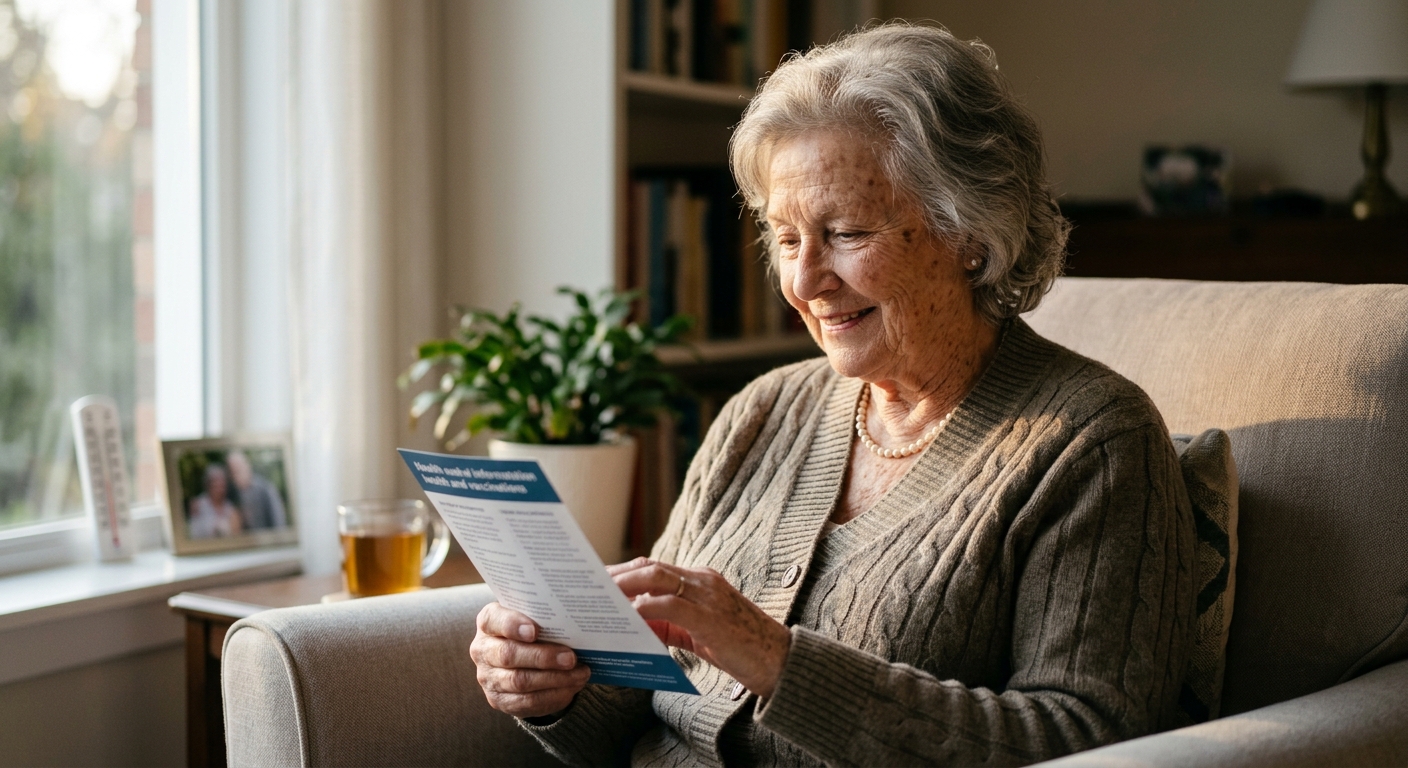
The Pain Hiding in Plain Sight
Several years ago, I sat across from Mary, a lively 76-year-old who wore her silver hair in a tidy French braid. She’d come to talk about gardening but, instead, the conversation shifted to a discomfort she’d been hiding: a tingling, burning “itch” just under her bra strap that had morphed into an agonizing stripe of blisters. “I thought it was just a rash,” she sighed, eyes tired. “But this pain…it’s like a lightning bolt, and nothing touches it.”
Mary didn’t know it yet, but she had shingles, a word tossed around by neighbors but rarely understood until it hits home. She’s far from alone. Every year, nearly 1 out of 3 people in the United States will develop shingles in their lifetime, according to the CDC. Of those, risk soars after sixty, and pain can linger for months, even years.
Here’s the thing: many seniors don’t talk about it. I can’t count how many times I’ve heard, “I just thought it was my arthritis acting up.” Others quietly soldier through itching, stabbing pain, and nerve damage that steals sleep and independence.
But it doesn’t have to be that way. What I’ve learned, after years of talking to those who’ve walked this path, is that a little prevention today truly can spare a world of hurt tomorrow. If you or someone you love is in their sixties, seventies, or beyond, this isn’t something to put off or brush aside. Shingles is a thief, of comfort, confidence, and, sometimes, of precious memories with family.
Let’s talk honestly, and prepare you with every tool and insight I’ve gathered along the way.
For more on this, see our article on managing medications safely.
—
What Is Shingles? The Invisible Enemy
I’ll never forget counseling George, a retired police officer, who was baffled to learn that shingles is triggered by the same virus that gave him chicken pox as a child. Herpes zoster, its formal name, has a nasty habit: after chicken pox runs its course, the varicella zoster virus hides out in your nerve cells, sleeping quietly for decades. Then, in the unlikeliest moment, a drop in immunity reawakens the virus, and it travels down nerves to the skin. The result? The angry, blistered rash of shingles.
While most adults over fifty remember struggling with the itch and fever of childhood chicken pox, few realize that 99 percent of adults over forty are carrying this slumbering virus, according to the National Foundation for Infectious Diseases. The risk? After turning sixty, the immune system’s fortress isn’t what it once was. Shingles elderly risk climbs, with one in two Americans developing shingles by eighty-five.
For more on this, see our article on managing chronic pain.
What shocked George most wasn’t just the risk, but the types of pain involved. Shingles isn’t just a skin issue, it attacks from the inside, with deep burning sensation called neuralgia, and places seniors at heightened risk for serious complications, like vision loss if the rash crosses the eye.
Pro Tip: Don’t wait until you see a rash. If you or your loved one suddenly develops tingling, sharp pain, or unusual skin sensitivity, call your doctor right away. Early treatment within the first 72 hours can dramatically lessen the severity of the outbreak.
The longer you wait, the tougher shingles becomes. Awareness is your first line of defense.
—
Recognizing Shingles: Symptoms Most Seniors Miss
Let’s talk about Helen, who shrugged off her “funny skin” for several days. She thought it was just irritation from a rough new sweater. By the time blisters appeared, her window for the most effective treatment was closing.
Here are the real-life clues seniors and caregivers should never ignore:
- “Pins and Needles”: The skin feels oddly sensitive, sometimes before you see a rash. Some describe it as a burning or tingling.
- Localized Pain: The ache is usually on one side of the body or face, rarely crossing the midline, think a stripe across the ribs, back, or face.
- Blisters: After one to five days, fluid-filled blisters crop up. They eventually scab over. This is the iconic “shingles rash.”
- Other Symptoms: Fatigue, fever, headache, or upset stomach may come along for the ride.
What I often see is that seniors brush off these “soft” warning signs, expecting a textbook red rash right away. That’s a missed opportunity. According to Johns Hopkins Medicine, early intervention with antiviral medication can slash pain duration by half and lower the risk of postherpetic neuralgia, the nerve pain that lingers after the rash fades.
Pro Tip: Keep a simple “health log” if you notice new, unexplained pain or skin changes. Jot down location, timing, and what makes it better or worse. Bring this to your next doctor’s appointment, it speeds up diagnosis and care.
Rest assured, you know your body best. Don’t ignore any symptom that feels “off,” especially if you’re over fifty.
—
Who’s at Risk? Shingles and Aging Immune Systems
When Fred, a spry 69-year-old with a lifelong love of fishing, asked, “Why me?”, it started a conversation I wish I could have with every senior. The truth? Aging alone is the single biggest risk factor for shingles. As we get older, our immune systems lose some punch. The CDC reports that people over age sixty are ten times more likely to develop shingles than younger adults. Healthcare professionals at the AARP Estate Planning have published helpful guidelines on this topic.
But that’s not all. Let’s look at what ramps up your risk further:
- Weakened Immunity: Recent illness, chronic conditions like diabetes or COPD, or medications such as steroids or chemotherapy can leave defenses thinner.
- Stress: Chronic emotional stress actually suppresses the immune system, making viral reactivation more likely. One client mentioned she developed shingles in the midst of an overwhelming move and family crisis.
- History of Chicken Pox: Nearly everyone over forty carries the virus, so if you had chicken pox as a child, your risk is real.
- Family History: Some research from Harvard suggests genetics play a supporting role, especially if close relatives had severe shingles.
And let’s not sugarcoat this: shingles isn’t just about the rash. For seniors, the real danger often comes after the visible marks fade. Up to 18 percent of older adults experience ongoing nerve pain for months, a condition known as postherpetic neuralgia (source: Mayo Clinic). The National Institute on Aging provides detailed guidelines for seniors and caregivers.
Pro Tip: Some prescription medications for rheumatoid arthritis, lupus, and certain cancers suppress the immune system and make shingles more likely. If you’re taking any of these, schedule a talk with your healthcare provider about extra prevention steps.
Knowing your personal risk is half the battle. I always recommend keeping a list of medications and major stresses handy for your annual checkup. This arms your doctor, and you, to make smarter decisions about prevention.
—
Why Shingles is More Dangerous for Seniors
I wish it weren’t true, but aging changes every part of the body, down to how we heal. When Andrew, a war veteran in his mid-seventies, developed shingles around his right eye, he shrugged it off, until worsening vision landed him in the emergency room. His story isn’t rare.
Here’s why shingles elderly risk is far worse than for younger folks:
- Complications are Steeper: Besides terrible nerve pain, seniors are at risk for pneumonia, hearing and vision loss, encephalitis (brain inflammation), and even hospitalization.
- Recovery is Slower: The immune system needs more time to shut down the virus, which means rashes and pain can last much longer.
- Risk of Vision Loss: Shingles near the eye (herpes zoster ophthalmicus) is a true emergency. According to the American Academy of Ophthalmology, older adults suffer permanent vision loss in up to 10-20 percent of cases.
- Lasting Nerve Pain: Postherpetic neuralgia can be excruciating and persistent, especially for those over seventy. One client, Ruth, described it as “a live wire under my skin, day and night.”
Treatment in these cases often involves a team approach: primary care, ophthalmology, neurology, and even pain management specialists. For more guidance, read our article on Creating a Senior-Friendly Garden. For more guidance, read our article on Hydration and Fluid Intake for Elderly Adults.
Pro Tip: If a rash appears on the face or near the eye, call your doctor immediately, even after hours. This can mean the difference between short-term discomfort and lasting complications. A growing body of research, summarized by MedlinePlus, validates these approaches.
One mistake I see far too often? Seniors self-treating with over-the-counter creams or just waiting it out, hoping the pain will pass. Don’t gamble with your health, swift professional treatment is the only safe choice.
—
The Senior Shingles Vaccine: Your Best Defense
I can’t stress this enough: vaccination is the single most powerful weapon we have against shingles in seniors. I’ve seen it transform worry into peace of mind in countless families.
The star of the show now is Shingrix, approved by the FDA for adults fifty and older. It’s over 90 percent effective in preventing shingles and the dreaded long-term pain, even in older seniors (CDC data). Think about that: it can reduce your chance of severe shingles by nearly tenfold.
Here’s how the vaccination process usually works:
- Two Doses Needed: You’ll need one shot, then return for the second 2-6 months later. Most insurance plans and Medicare Part D cover much or all of the cost. Without insurance, expect to pay around $150-200 per dose at major pharmacies.
- Who Should Get It? Anyone fifty and up, even if you’ve had shingles before. Protection lasts for years and guards against recurrences.
- Side Effects: The most common are a sore arm, mild fever, or body aches for a day or two. Serious side effects are extremely rare.
I remember coaching a couple in their eighties who were, frankly, needle-shy. I assured them it’s worth a brief moment of discomfort for the tremendous benefits in reduced pain and hospitalizations. Data from the Mayo Clinic proves the vaccine reduces the risk of postherpetic neuralgia by up to 88 percent, a game-changer for aging adults.
Pro Tip: Don’t rely on older shingles vaccines like Zostavax, which is now off the U.S. market and was far less effective. If you received the older vaccine more than five years ago, ask your doctor about getting the new, more potent vaccine.
And a comforting note: you don’t need to test for a past history of chicken pox. If you’re over fifty in North America, your odds of harboring the virus are nearly certain.
—
Treating Shingles: What Works and What Doesn’t
“The pain was like nothing I’ve ever felt.” That’s what I hear from nearly every senior who’s endured shingles. Charlie, a retired engineer, tried his best to “tough it out” with heating pads and aspirin. But here’s what I tell everyone: treating shingles aggressively and early makes all the difference. You can find more research-backed recommendations at the National Institute on Aging.
The Gold Standard: Prescription Antivirals
Medicines like acyclovir, valacyclovir, and famciclovir actually attack the virus, limiting its ability to multiply. Starting these drugs within 72 hours of rash onset can:
– Shorten the length and severity of illness
– Lower risk of ongoing nerve pain More evidence-based strategies are available from the Mayo Clinic.
Most insurance plans cover these antivirals, and without insurance, expect costs around $20-70 for a course.
Managing Pain: It Takes a Toolbox
Pain from shingles isn’t “one size fits all.” It may take a combination of:
- Over-the-counter options like acetaminophen or ibuprofen for mild cases
- Prescription medications (gabapentin, pregabalin) for nerve pain if over-the-counter choices don’t cut it
- Topical lidocaine patches (about $50 for a box) or capsaicin cream (about $10-20) for localized relief
- Calamine lotion or colloidal oatmeal baths to soothe itching, though these don’t treat the cause
Natural Remedies: Proceed With Caution
I get asked about herbal teas, aloe, or essential oils. While some seniors swear by gentle skin care and stress management (deep breathing, guided imagery), no home remedy will replace prescription medications.
Pro Tip: Apply cool, wet compresses a few times a day. This provides safe, effective relief while the rash is active and reduces the urge to scratch, which is critical for healing.
What doesn’t work? Ignoring the pain, popping more Tylenol than recommended, and waiting for the rash to “just go away.” That path leads to more suffering, not less.
—
Preventing Shingles Complications in the Elderly
I recall one case especially vividly. Margaret, frail and just shy of ninety, who ended up hospitalized not because of the rash itself, but from dehydration and secondary infection when the open blisters became infected. Shingles elderly complications often catch families off guard, but many can be prevented.
Here’s how to keep manageable cases from turning serious:
- Keep the Rash Clean and Dry: Wash gently with mild soap and water. Change clothes and linens frequently to avoid infection.
- Avoid Scratching: It’s tempting, but broken skin invites bacteria. Try mittens or soft gloves at night if itching is severe.
- Watch for Warning Signs: Increasing redness, swelling, pus, high fever, or confusion are red flags for infection or more serious issues. In these cases, call the doctor right away.
- Protect Others: While you can’t “catch” shingles, the fluid from blisters can spread chickenpox to those who’ve never had it, especially babies or anyone with a weakened immune system. Cover the rash and avoid close contact with high-risk groups until the blisters have crusted.
Research published in the journal *Clinical Infectious Diseases* found that up to 10-20 percent of seniors with shingles may need hospitalization for complications like pneumonia, skin infections, or even stroke risk.
Pro Tip: If you’re caring for someone with shingles, ask for a home health nurse visit, even a single visit can teach you safe wound care and signs of complications.
Biggest mistake? Assuming “it’s just a rash.” For seniors, that mindset puts you at risk when a little monitoring and TLC could have prevented an ER trip. For more guidance, read our article on Transportation Options for Non-Driving Seniors. For more guidance, read our article on Financial Planning for Long-Term Care.
—
Coping With Postherpetic Neuralgia: Hope After the Rash Fades
I’ll be honest, this is the part that scares most families. Postherpetic neuralgia, or PHN, is the nerve pain that can stick around long after shingles blisters disappear. For many seniors, this problem lingers for months, sometimes years, transforming a bout of shingles into a daily struggle. The Eldercare Locator maintains a comprehensive database of resources for seniors and families.
Take Lorraine, who at seventy-six found herself housebound for months, missing her grandkids’ soccer games, all because the “ghost pain” of shingles wouldn’t let up. Lorraine’s story is, unfortunately, not rare: studies estimate that up to 1 in 5 older adults with shingles develop PHN, with rates climbing after seventy-five (source: American Academy of Neurology).
What actually helps? It’s all about multi-layered pain management:
- Medication: Prescription drugs such as gabapentin or pregabalin (brand names: Neurontin, Lyrica) can quiet nerve pain. These range from $10-60 per month with insurance. Topical lidocaine patches also help (ask your doctor for samples).
- Physical Therapy: Some find gentle massage, stretching, and light exercise can re-train nerves and restore function.
- Mind-Body Strategies: Relaxation techniques, biofeedback, or therapies like cognitive-behavioral therapy can help manage pain perception when medication is not enough.
- Sleep Support: Insomnia worsens pain. Talk to your provider about safe options for sleep if pain keeps you awake.
Pro Tip: Persistent pain is not “just a part of getting older.” If shingles pain lasts more than a few weeks, ask for referral to a pain specialist or geriatrician with experience managing PHN.
Ignore the myth that you have to “just live with it.” There are real, tangible ways to reclaim quality of life, even after the toughest cases.
—
Supporting Seniors Emotionally Through Shingles
If there’s one hidden toll from shingles, it’s the emotional wear and tear, frustration, isolation, even depression. I’ve watched proud, fiercely independent adults suddenly relying on loved ones for meals or mobility, and it’s humbling. Further clinical recommendations are outlined by the Medicare.gov.
Let’s think about Bob, who after a shingles episode, found himself skipping his weekly poker game, embarrassed by the rash and its lingering pain. This isn’t just about physical health, emotional recovery matters just as much. For further guidance, the American Heart Association offers comprehensive resources on this topic.
What can you do today?
- Stay Connected: Encourage phone calls or video chats with family and friends. Isolation is a big risk for depression after shingles.
- Share Stories: Talking with others who’ve “been there” lessens embarrassment and speeds emotional healing. Local AARP groups, YMCAs, and hospitals often run support groups.
- Routine, Routine, Routine: Keeping a gentle routine, even reading, puzzles, or light gardening, restores a sense of control when the body feels rebellious.
- Ask for Help: Whether it’s light housework, errands, or just companionship during flares, don’t tough it out alone.
A study published in *The Gerontologist* noted that seniors recovering from shingles had three times the rate of depression compared to healthy controls, especially those with long-lasting pain.
Pro Tip: If you notice major mood changes, appetite loss, or withdrawal from activities, ask the doctor for a depression or anxiety check-up. Mental health is a vital piece of the puzzle.
Don’t underestimate the value of kindness and company, it helps recovery more than any prescription.
—
Creating a Shingles Prevention Plan at Home
If I could wave a magic wand, every family would have a “prevention and action plan” for shingles, posted right by the fridge. Prevention in the home means more than just the shot, it’s about total daily habits.
Here’s a real plan I helped develop with the Turner family:
- Vaccination: Schedule the senior shingles vaccine, put the date on the calendar, and set a reminder for the second dose.
- Immune-Boosting Habits: Aim for balanced meals with lean protein and colorful fruits and vegetables. Daily walks (or chair exercises) keep the immune system and spirits up.
- Manage Stress: Practice daily relaxation, even 10 minutes of deep breathing or gentle stretching makes a difference.
- Organize Medications: Keep a current list, and share it with all care providers. Watch for any that might suppress the immune system.
- Regular Handwashing: Simple, but cuts down on all viral infections, shingles included.
Cost-wise, most of these strategies are free, except for the vaccine, and you can find basic pill organizers at any drugstore for less than $10. I always recommend keeping thermometer and basic first-aid supplies on hand, too.
Pro Tip: Have a “shingles alert card” in your wallet, list allergies, medications, and the date of your shingles vaccine. In an emergency, it’s a big help.
Most families tell me the magic is in the plan itself. Knowing what to do, and when, lowers anxiety and lets you focus more on healing and less on guessing.
—
Conclusion: Three Steps to Take Now for Shingles Protection
I’ve seen so many journeys with shingles, from those who caught it early and bounced back quickly, to those who struggled for months recovering from the pain. Here’s what I want you to know: you have the power to change the story.
If you remember nothing else from our conversation over this virtual “coffee,” remember these three action steps:
Step 1: Schedule the Shingles Vaccine
Call your doctor or local pharmacy today and get the date down for that senior shingles vaccine. If cost’s a concern, ask about insurance or senior discounts, most Medicare Part D plans cover it.
Step 2: Watch for Early Warning Signs
Trust your instincts. Notice any odd tingling, pain, or rash? Don’t wait. Quick action means better outcomes, less pain, and lower risk for lingering neuralgia.
Step 3: Build Daily Habits for Immunity and Connection
Stay active, fuel your body well, and keep your support circle strong. Check in with loved ones regularly and seek help early for emotional or sleep problems.
One final word, don’t carry worry alone. Shingles steals time, not just from you, but from family, grandkids, and all the joys of senior life. With the right information, a game plan, and your own wisdom, you can prevent, catch, and manage shingles head-on.
As I always tell my readers, “A little knowledge, a little prevention, and a lot of self-kindness, that’s how we weather this storm together.” Stay well, and don’t be afraid to reach out for whatever you need. Your health is worth every ounce of attention and care.
You Might Also Enjoy
Reader Question
From a reader in Dayton, Ohio: “My mom is 71 and keeps saying she’s ‘too busy’ for the shingles shot. She also had a weird burning patch on her side last week that went away. I work full-time and I’m scared I’ll miss something important. How do I talk to her without sounding bossy, and what should I do if it shows up again?“
Angela’s response: I hear the fear underneath your words. I felt that same knot in my stomach with my dad when I was rushing from my job downtown to his apartment in Norfolk. I learned to lead with what I saw, not what I wanted him to do. “Mom, that burning patch worries me because shingles can start before the rash.” Then I’d offer one small next step: “Can we put a quick clinic visit on the calendar?” If it returns, take a clear photo in good light and call her doctor the same day. Antiviral meds work best early. Honest moment: I once waited because Dad said he was “fine.” He wasn’t. I still regret that delay.
Frequently Asked Questions
How can I tell shingles from a simple rash?
What tipped me off with my father wasn’t just the bumps. It was the pain that didn’t match what we could see. He described it like a “hot wire” on one side of his back, and he hated his shirt touching it. That one-sided pattern matters. Regular rashes tend to itch evenly or show up in patches on both sides. Shingles often hugs a stripe and feels deep—burning, stabbing, or tingling—before the blisters pop. If you see new blisters in a band and the person is unusually touchy or exhausted, don’t wait it out like we tried to.
Is the shingles vaccine worth it for seniors who “never get sick”?
My dad used to brag that he “never caught anything.” Then shingles knocked him flat. I watched a man who could fix a leaky sink in ten minutes struggle to pull on a T-shirt. The vaccine felt optional until it didn’t. After his episode, he told me the pain was worse than his kidney stone years earlier. That scared him enough to ask his doctor about prevention, which was a first. I also think about the cost of missing work. I burned through two PTO days and paid $42 for extra groceries delivered because I couldn’t leave him alone.
What does early treatment actually look like?
For us, early treatment meant acting the moment the rash showed up, not “seeing if it calms down.” Dad’s doctor called in an antiviral that same afternoon, and I picked it up at the CVS on Granby Street after work. The timing mattered. When he started meds quickly, the blisters didn’t spread as wildly as the nurse predicted they might. Pain control was its own battle. He needed a plan he could follow when he was tired and cranky, and I needed instructions I could understand at 9 p.m. while folding laundry. Ask the doctor, plainly, “What should improve in 48 hours, and what means we need urgent care?”
How do I care for a parent with shingles without burning out?
I wish I could say I handled it gracefully. I didn’t. I snapped at my dad over a spilled water glass, then cried in my car because I was ashamed. Shingles pain can make a sweet person sharp and suspicious. What helped me was setting tiny “anchors” in the day: meds, a simple meal, clean sheets, then rest. I also texted one neighbor, Mr. Alvarez, and asked if he could sit with Dad for 30 minutes so I could run to Walmart for gauze and bland soup. People will often help if you ask for something specific and short.
Leave a Reply