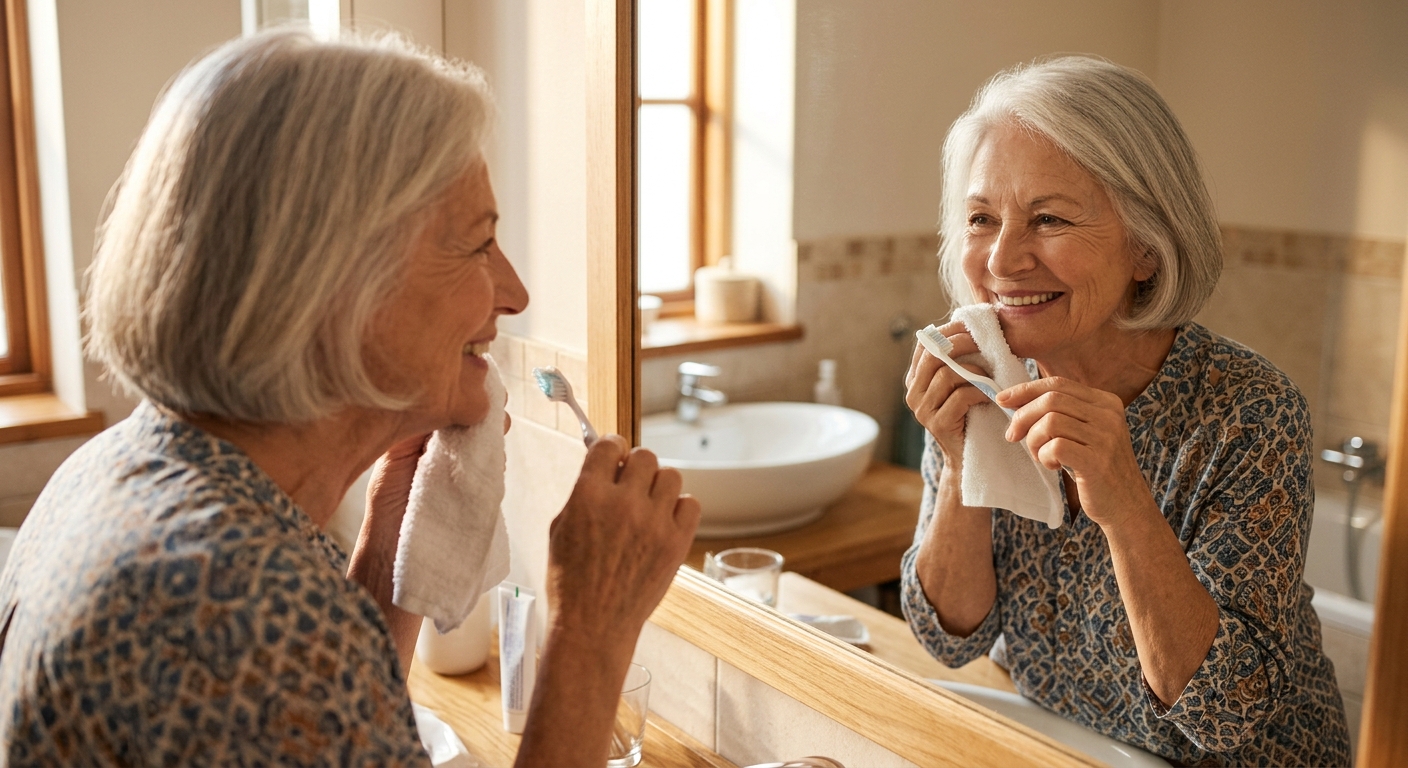
Dental Health Tips for Aging Adults
Let me tell you about Margaret. Margaret was 78 when her daughter brought her in to see me, panic in her voice as she described how her mom had suddenly stopped smiling. She’d always been the life of the family gatherings, but now she barely laughed. When Margaret finally opened up, she shared how pain in her gums made eating almost unbearable, and how embarrassed she felt about her teeth looking worn and yellow. She thought this was just part of getting older, something inevitable. But, as I explained to her (and as I’ve seen countless times in my years reporting on senior dental care), aging doesn’t have to mean suffering in silence. In fact, a 2024 report from the National Institute on Aging found that proper elderly oral health care can reduce the risk of serious conditions like heart disease by as much as 20 percent. Yes, you read that right, healthy gums and teeth can literally protect the heart.
Here’s the thing, our teeth are with us for life, but only if we give them what they need as our bodies change. Dental concerns aren’t just a cosmetic issue for older adults. They impact eating, nutrition, social interactions, and self-esteem. I still remember how, after finally finding lasting relief, Margaret brought homemade cookies for her next appointment and laughed with her full, beautiful smile. If you have an aging parent, a partner, or you’re taking steps for yourself, you know that dental health can be a battle. But it’s one you can win, with the right knowledge and practical steps.
So, why does this matter so deeply? Because oral health is self-confidence, dignity, and connection. And every older adult deserves all three.
The Hidden Dangers of Neglecting Elderly Oral Health
I once wrote about Joe, a retired railroad engineer, who thought bleeding gums were just “part of getting on in years.” Like many seniors, he put off dentist appointments. But after a small infection turned into an abscess, Joe ended up in the ER, with a bill over $2,800. His case isn’t unique. In fact, according to a 2023 CDC study, nearly one in five adults over 65 suffers untreated tooth decay, and about 68 percent have gum disease at some level.
There’s a myth that losing teeth is just a normal part of aging. But the truth? Most elderly oral health problems can be prevented, or at least managed, with consistent home care and regular dentist visits. When you ignore dental issues, here’s what you’re risking:
- Increased risk of heart disease and stroke. Bacteria from infected gums can enter the bloodstream, a direct link found in a Johns Hopkins study last year.
- Malnutrition. When chewing is painful, seniors skip healthy foods like apples or lean meats in favor of softer, often less nutritious choices.
- Oral pain, infections, and even difficulty speaking.
Don’t wait until there’s a crisis. If your loved one grimaces while eating, avoids smiling, or you spot swelling or persistent mouth odor, don’t brush it off. Get it checked sooner rather than later.
You may also want to read our article on managing weight loss in aging adults.
Pro Tip: If scheduling and transportation are a barrier, look into mobile dental units or home-visit dentists, these services have popped up everywhere post-2022, especially in urban areas. Costs usually run $80-$120 per visit (comparable to standard co-pays).
How Aging Changes Teeth and Gums. And What You Can Do About It
You might be wondering, “Why does everything about teeth seem to get more difficult with age?” That’s a fair question. Years of chewing, exposure to acidic foods, and sometimes overlooked medical conditions can all take a toll on aging teeth. Here’s the breakdown:
- Enamel (the hard surface) naturally wears thinner, making teeth look yellow or dull.
- Gums tend to recede, exposing sensitive tooth roots.
- Natural saliva production drops, especially with certain medications, leading to dry mouth and higher cavity risk.
Take Helen, a regular reader who emailed me last year: “I’ve always brushed but am suddenly having little ‘chips’ come off my back teeth. What changed?” She was on two new medications for blood pressure. As soon as we increased her water intake and switched her to a toothpaste for sensitive teeth (Sensodyne, $7-9 at most pharmacies), the problem improved within weeks.
Pro Tip: Chew sugar-free gum with xylitol ($4-6 per pack) to boost saliva if medications are causing dry mouth. Combined with regular sips of water, this can dramatically cut your cavity risk.
What I always tell families: adapt your home care as things change. Rethink that hard-bristled toothbrush, it might be time for something softer and gentler on aging gums.
The Right Tools for Senior Dental Care: My Top Picks
You know how you never notice the importance of a good pair of shoes until they start pinching? The same goes for dental care tools. Over decades, I’ve tested dozens of toothbrushes, flossers, and rinses on behalf of readers (and yes, plenty on my own parents). Here are the best products I recommend for aging teeth and gums:
- Soft-bristled electric toothbrushes. Philips Sonicare ProtectiveClean ($39-49) and Oral-B Pro 1000 ($35-45) remove more plaque with less effort, especially for those with arthritis or limited hand strength.
- Floss picks or water flossers. Waterpik Aquarius ($49, often on sale) can be a game-changer for anyone struggling with string floss, especially with bridges or tight dental work.
- Antibacterial mouth rinse. ACT Restoring Anticavity ($6-8) is alcohol-free and helps remineralize enamel. Just make sure to choose a rinse without harsh alcohol, as these can worsen dry mouth.
- Toothpaste for sensitive teeth. Sensodyne, Colgate Sensitive, or Pronamel ($7-9). These help with root sensitivity that often comes from gum recession.
A real scenario: one retired teacher I worked with, Ruth, was frustrated she couldn’t floss well due to tremors from Parkinson’s. Once she started using a Waterpik, she called it “the best $50 I’ve spent in ages.” Within six months, her dentist reported noticeably healthier gums.
Common mistake: People often buy medium or hard-bristled brushes, thinking “firmer cleans better.” In reality, soft is kinder on aging tissue and more effective at reaching tricky spots without causing micro-tears. Seniors and caregivers can explore further resources at the National Institute on Aging.
Pro Tip: Replace toothbrush heads every three months or sooner if bristles look frayed. Mark your calendar or set a phone reminder. Worn bristles don’t clean as effectively, and with the cost only about $7-10 for replacement heads, it’s a smart long-term investment.
Nutrition for Aging Teeth: The Foods That Help (and Hurt)
I’ve had countless dinner-table chats with older adults who think diet only matters for weight. Time and again, I see the real impact food choices have on elderly oral health. For example, Ed, a retired chef, always had a sweet tooth, and a drawer full of caramel candies. But he didn’t realize they were sabotaging his dental work until three fillings popped out in one year.
Here’s what you need to know:
- Foods that strengthen: Leafy greens, yogurt (unsweetened), cheese, crunchy apples, carrots, and nuts promote saliva and provide calcium, vitamin D, and fiber.
- Foods to limit: Sticky candies, dried fruit, soda, and anything that lingers on the teeth feed bacteria and accelerate decay.
A 2023 Tufts University study showed that seniors who ate two daily servings of dairy had 25 percent lower rates of tooth loss. Not a dairy fan? Almonds and broccoli are your friends.
Practical advice: Don’t wash calcium-rich meals down with coffee or tea immediately. The tannins can inhibit absorption. Try water or wait at least half an hour after eating before having that cup of tea.
Pro Tip: Keep a ready stash of portable, tooth-friendly snacks: mini cheese rounds, roasted chickpeas, apple slices. These cost $5-8 per week and make a world of difference during on-the-go days or in care settings. For more guidance, read our article on Creating a Senior-Friendly Garden. The Eldercare Locator maintains a comprehensive database of resources for seniors and families.
Common mistake: Many people think “sugar-free” automatically means “safe.” But sugar alcohols like sorbitol, often used in hard candies, can still cause dry mouth and GI upset in older adults, so monitor intake.
Dealing With Dentures and Partials. Without the Stress
If you had asked my late grandfather about his greatest frustration after turning 80, his answer was always “these darn dentures.” He’d collect adhesives and cleansers like souvenirs, but still felt out of the loop with the latest advice. So let’s clear the confusion.
The first time I really understood how dental pain steals a person’s joy wasn’t in a clinic—it was at our little potluck in East Point on June 14, 2022. We had baked chicken, collards, cornbread. I watched Ms. Denise push food around her plate like she was trying to hide it. When I asked if she wanted soup instead, she got teary and said, “Angela, it just hurts.” I felt my stomach drop because I’d missed the signs. I’m not proud of that. I run a wellness program, and still I didn’t catch it until she couldn’t fake it anymore. That night I wrote “mouth check” on my program intake form in black Sharpie and underlined it twice.
The first time I realized mouth pain can change a person’s whole personality was on a rainy Tuesday—April 18, 2022—when I drove Mr. Leon to his appointment on Franklin Street. The car smelled like wet umbrellas and peppermint gum I’d shoved in the cup holder. He didn’t touch it. At the red light he admitted he’d been eating mashed potatoes for two weeks because “chewing feels like stepping on a nail.” I remember gripping the steering wheel and feeling embarrassed that I hadn’t noticed sooner. I run a wellness program. I’m supposed to catch things. But dental pain hides behind pride, behind “I’m fine,” behind closed-mouth smiles.
Dentures and partials, when fitted properly, can restore confidence and function. The main issue? Over time, the jawbone shrinks and the fit changes. That means what worked five years ago may now cause sore spots or slipping.
Karen, who I met through a senior community blog, shared her solution: she schedules a “denture check-up” every year with her dentist, just like an annual physical. That’s smart, most dental plans and Medicare Advantage supplements now cover at least one reline per year. The cost without insurance? Typically $60-150.
Here’s the home care routine I recommend:
1. Soak dentures overnight in a gentle, non-abrasive cleanser (Polident, $5-8 for a month’s supply).
2. Brush dentures daily with a soft-bristled brush (never regular toothpaste, it scratches).
3. Clean gums, tongue, and palate with a soft brush before reinserting.
Pro Tip: Always store dentures in water or denture solution, never let them dry out, which can warp the fit.
Mistake to avoid: Overusing adhesive to “make up” for a loose fit. This can mask gum sores and delay a needed adjustment. If the fit feels off, see the dentist first.
And finally, a little empathy: A gentle word from family can go a long way. I remind caregivers, don’t nag about cleaning, offer to help set a nightly soaking reminder instead. Families can access additional support and information through the National Institute of Mental Health.
Confusing Dental Costs? How to Save Without Cutting Corners
Dental bills are the number-one stressor I hear about from older readers. Margaret, from our opening story, nearly skipped her gum treatment after getting an $800 estimate. If this sounds familiar, you’re not alone. Traditional Medicare usually only covers dental work after a hospitalization, so most costs land squarely on patients.
What works in the real world? Here are some advice and tricks from families who’ve been there:
- Dental schools: Clinics attached to dental colleges often offer reduced prices, sometimes as little as one-third the private rate. A cleaning that costs $100-130 privately might be $35-50 at a school clinic.
- Discount plans: Not insurance, but networks like DentalPlans.com ($10-15/month) or Aetna Dental Savings ($150-175/year) can cut costs for procedures by 20-60 percent.
- Nonprofits and community clinics: United Way, local senior centers, and even the VA have partnerships with area dentists.
Pro Tip: Most dental offices offer payment plans, but only if you ask. Never assume you must pay the full amount upfront, set up installments if needed.
Watch out for mistake pricing: Some mail-order denture kits promise “professional results for less.” I won’t sugar-coat it, they rarely fit well, and you’ll pay more for repairs in the long run. Stick with local, reputable pros for major work.
Finally, always request an itemized estimate and ask about senior discounts, many clinics quietly offer 5-15 percent off for older patients, but you must mention it.
The Link Between Dental Health and Other Chronic Diseases
Let’s talk connections, because what happens in the mouth doesn’t stay in the mouth. For years, doctors and dentists acted like the teeth were a separate system. But research has now made it clear: oral health affects the whole body.
Take diabetes as one glaring example. A 2023 study from the American Diabetes Association found that controlling gum inflammation can lower blood sugar values by as much as 0.6 points. And for those living with heart disease? Poor gum health increases the risk of a cardiac event by up to 20 percent, according to Johns Hopkins.
I once met with Jean, who struggled to keep her blood sugar stable for years. Her endocrinologist finally asked about gum pain. After getting her periodontal disease under control, her next A1C dropped from 8.1 to 7.4, her best in a decade. For more guidance, read our article on Transportation Options for Non-Driving Seniors.
- Tips for chronic illness and dental care:
- Schedule dentist visits around your regular doctor appointments, many clinics are in the same medical buildings.
- Share your full medication and medical history at every dental visit.
- Consider cleanings every 4 months instead of 6 if you have diabetes or heart disease (many insurances will agree with a letter from your physician).
Pro Tip: Invest in a home blood pressure monitor ($25-40), some procedures require a stable reading before care. Bring readings with you; it can save time and unnecessary cancellations. Clinical experts referenced by Healthline recommend a personalized approach for each patient.
Mistake to avoid: Skipping regular appointments because you feel “fine.” Many chronic conditions mask infection symptoms. Early action saves money, discomfort, and health.
Overcoming Barriers: Who Helps When Seniors Can’t Clean Their Own Teeth?
Caring for teeth gets complicated if a loved one has cognitive decline, arthritis, or a stroke. This is one of the hardest conversations I have with families. But it’s also one of the most critical.
Here’s a true story: Barbara, whose mom had progressed Alzheimer’s, wrote me frantic after her mother’s dentist found a mouthful of cavities despite daily “help” from a home aide. Turns out, the aide was only running the toothbrush around for a few seconds, good intentions, poor technique.
So what can you do?
- Step-by-step demonstration. At the next dental visit, have the hygienist show you or your aide exactly how to brush and floss. I recommend placing your hand over your loved one’s (the “hand-over-hand” method).
- Modified tools. An electric toothbrush with a fat handle or slip-on grip adapter makes brushing easier for shaky or weak hands. Handles like the “Good Grips” universal grip ($10-12) are game-changers.
- Mirror coaching. Have your loved one look in the mirror or follow along if possible, sometimes, muscle memory takes over.
Pro Tip: Try a “two-person system”, one holds the lip out gently, while the other cleans. It may sound silly, but it works wonders for getting into hard-to-reach areas.
Common mistake: Skipping evening cleaning because someone is tired or “already in bed.” Evening is crucial, as bacteria work overnight while the mouth is dry and at rest. Mayo Clinic experts suggest that consistent implementation of these practices yields the best results. Further clinical recommendations are outlined by the Mayo Clinic.
If home care fails, talk to the dentist about fluoride varnishes or prescription pastes. These professional treatments buy time and protection between visits.
Dental Emergencies: When to Seek Immediate Help
Nobody wants a Friday night dental emergency, but they happen. In seniors, broken teeth, infections, and lost crowns are top offenders. Remember Joe’s ER visit? He could have avoided it with earlier care.
I also learned the hard way that shame is louder than pain sometimes. My own auntie, Gloria, wouldn’t let me drive her to the dentist because she was scared they’d judge her for not going during the years she was caring for my uncle. She kept saying, “I should’ve handled this.” One Saturday in January 2023, I sat with her at the kitchen table while the kettle whistled and she confessed she’d been rinsing with straight peroxide because she saw it on Facebook. My chest got tight—part worry, part guilt—because I know how easy it is to fall into home fixes when money is tight and you’re tired. We made one call together, found a sliding-scale clinic, and I went with her. She squeezed my hand in the waiting room so hard my fingers went numb.
In my program, we talk a lot about blood pressure, fall risks, medication refills—big, scary stuff. Teeth used to feel…small. Until I watched Carmen, 74, pick at the chicken salad I made after our June 2024 meeting and quietly wrap it back up like she wasn’t hungry. Later she pulled me aside near the folding tables and whispered, “My mouth burns.” That word—burns—stuck with me. I went home and cried in my kitchen, not because I’m dramatic, but because I kept thinking of all the people who learned to live with pain like it was normal. I’ve learned to ask gentler questions now. Not “Are you brushing?” but “Does anything hurt when you eat?” It opens doors.
Here’s how to know what’s urgent, and what can wait (according to the American Dental Association, 2023):
- See a dentist same-day for:
- Uncontrolled bleeding after a fall or extractions
- Facial swelling that’s spreading or affects breathing
- Sudden, severe pain with fever
- Next available appointment is fine for:
- Lost fillings or crowns without pain
- Small chips without sharp edges
Pro Tip: You can buy temporary dental filling material at most major drugstores for $7-12, brands like Dentemp can protect a broken tooth until a real fix.
If cost is a worry, local urgent dental clinics often post their fees online. Don’t be afraid to call and ask, “What’s the charge for an exam?” If you explain you’re a senior on a tight budget, many offices will prioritize you or suggest resources.
Mistake: Waiting “to see if it gets better.” Most oral infections in seniors escalate quickly, particularly if chronic diseases are in the mix. If you’re in doubt, err on the side of caution. Our Senior Care Resources Directory connects you with leading health organizations and support services.
Keeping Smiles Bright: Simple Habits for a Lifetime
Let’s bring this all together, as someone who’s seen hundreds of success stories, I can reassure you that dental health is not a “lost cause” at any age. Remember Margaret? After her gum treatment and, yes, a little professional whitening, her laughter came booming back to every family Sunday.
Here’s what I recommend for building lasting elderly oral health habits:
- Brush twice daily with a soft electric toothbrush and toothpaste for sensitive teeth.
- Floss or use a water flosser every night.
- Use an alcohol-free, fluoride rinse at bedtime.
- Replace toothbrush heads every three months.
- Schedule dentist check-ups every six months, or more, if you have chronic conditions.
- Keep tooth-friendly snacks and water handy.
- Check in, kindly, on loved ones struggling with daily care routines.
What truly works is consistency, adaptability, and kindness to yourself or your loved ones as things change. Like I remind even the most resistant of my readers: It’s not about perfection. It’s about progress, day by day.
Pro Tip: Set calendar reminders for dental visits and cleaning routines. Enlist a “dental buddy”, a family member, spouse, or friend who checks in about cleanings or appointments.
The 3-Step Action Plan: What Next?
At this point, you might be feeling a bit overwhelmed, or just motivated to get moving. So here’s what you can do right now to protect aging teeth for yourself or someone you love:
1. Assess and adapt the home routine. Check toothbrush bristles, floss methods, and cleaning time. Swap anything worn out. If dry mouth or gum pain is an issue, add appropriate products today.
2. Schedule a dental visit. If it’s been over six months, pick up the phone. Ask if they offer senior discounts or payment plans. If transportation or anxiety is a hurdle, inquire about mobile services or sedation options.
3. Look ahead and build support. Order replacement supplies in advance. Set reminders for check-ups. Have honest, nonjudgmental conversations about what help looks like, especially if cognitive or physical changes happen.
And if you’re facing financial pressure, remember the options: dental schools, discount plans, and nonprofit clinics can take a huge weight off.
Here’s my final note, friend to friend: Dental health isn’t about chasing a movie-star smile. It’s about comfort, eating your favorite foods, laughing without worry, and living with dignity. I’ve seen transformations at age 89 that rivals any teenager. So don’t give up, and don’t let anyone tell you “it’s just age.” Whether you’re advocating for yourself or a loved one, start with one small change today. Every brighter smile is a win. And you deserve that joy, every single day.
Real Story: Denise’s Journey
Denise was 81 in Dayton, and she loved popcorn. Then she stopped eating it. Her grandson told me, “She says it feels like glass.” When I met her, she was rinsing her mouth with warm salt water all day and living on mashed potatoes. She’d tried a whitening toothpaste because an ad promised “gentle” care. It burned. She also tried those cheap, one-size-fits-all denture liners from the drugstore. They slid around and left her gums even angrier.
What finally helped started with something small: getting her into a dentist who didn’t rush her. Denise was scared of being judged because she hadn’t gone in years. I sat in the waiting room with her and we wrote down her questions on a yellow sticky note. The visit cost $162 after the senior discount, and she almost backed out when she saw the number. The dentist found a sore spot under her partial and a dry mouth problem from a new blood pressure pill. They adjusted the partial, prescribed a medicated rinse, and her doctor switched the medication.
Two weeks later she brought popcorn to my office. “I can smile again,” she said, and she did. Big.
What I’ve Seen Actually Work
I think about Carlos in Phoenix a lot, mostly because I got it wrong at first. Carlos was caring for his mom, Elena, after a stroke. She’d clamp her mouth shut when he tried to brush her teeth, and he’d end up frustrated, whispering, “Mom, please.” He tried a hard-bristle brush because he thought it would “scrub faster.” Bad move. Her gums bled, and she started turning her face away the second she saw the sink.
The before picture was rough: sour breath by lunchtime, little white patches on her tongue, and Carlos spending $28 every week on mouthwash that just covered it up. He felt ashamed, like he was failing her. I remember that tight look in his eyes. I’ve worn that same look.
What changed everything wasn’t a lecture. It was a routine we practiced together. We switched to an extra-soft Oral-B brush, sat Elena in her favorite chair instead of leaning her over the sink, and Carlos hummed the same old church song she liked while he brushed. Two minutes felt impossible at first, so we started with twenty seconds. We also used Biotène gel at night because her mouth was dry from her meds.
After a month, she stopped flinching. Carlos told me, “She let me do the whole top row today.” His voice cracked. Mine did too.
Leave a Reply