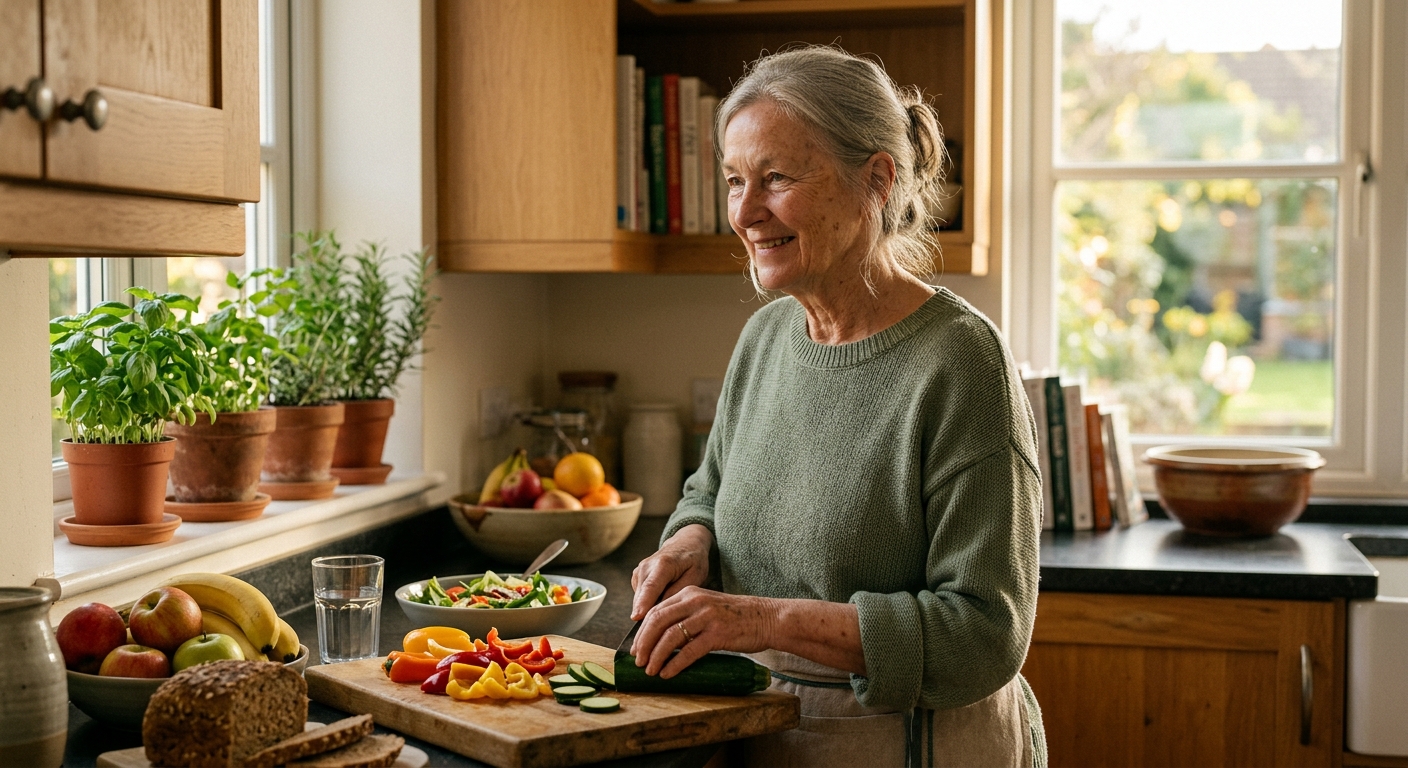
Essential Nutrition Tips for Seniors Over 70
Last week, I sat at my kitchen table with my neighbor, Ellen. At 74, she’s sharp as a tack and still beats her grandkids at Scrabble. But she admitted something that stuck with me: “Sometimes I just don’t feel like eating much. I know I should eat better, but it’s hard to know what really matters now.” Ellen’s not alone. Nearly 1 in 3 adults over 70 is at risk for malnutrition, according to a 2024 Johns Hopkins report. And let’s be honest, between changing appetites, mysterious new medications, and old habits, figuring out senior nutrition can feel like walking through a maze blindfolded.
But here’s the thing, it doesn’t have to be. In my 15 years covering elderly diet and healthy aging food, I’ve learned that the right nutrition can make an astonishing difference. Energy returns. Wounds heal quicker. Independence lasts longer. If you’re helping someone over 70 (or you *are* that someone!), I want to give you my best guidance: simple, practical tips you can use starting at your very next meal.
Let’s dig in and clear up the confusion together.
—
Understanding How Nutritional Needs Change After 70
Let’s picture Tom, a former marathon runner who, at 72, still walks the block every morning. But now, his knees ache, he tires easily, and a sandwich at lunch fills him for hours. I’ve seen this story play out hundreds of times: our bodies just aren’t the same at this age. Muscle mass drops, metabolism slows, and, not surprisingly, those taste buds don’t throw parties over leafy greens like they used to.
You may also find our article on immunity-boosting superfoods for seniors helpful.
There’s science behind the shift:
- Muscle Loss: After 70, we lose 1-2% of muscle per year (Harvard Medical School, 2023). That’s not just about strength. It impacts balance, immunity, and recovery from illness.
- Digestion Changes: Stomach acid and enzyme levels go down, making it harder to absorb key nutrients like B12 and calcium.
- Appetite Decreases: Studies show that older adults often don’t feel as hungry, and food just doesn’t seem as flavorful.
So what’s the actionable advice? Focus on *nutrient density.* This means every bite packs a punch with vitamins, minerals, and protein, instead of empty calories.
Pro Tip: Swap out the white bread for whole grain, top oatmeal with nuts and berries, or add Greek yogurt to smoothies. Little changes, huge nutrition upgrade.
Common Mistake: Skipping Meals
I can’t tell you how many times I’ve heard, “I’m just not hungry for breakfast.” Skipping meals leads to energy dips, mood swings, and even memory fog. If a full meal seems overwhelming, try small snacks throughout the day. Think apple slices with peanut butter or a hardboiled egg. It counts!
—
Protein: The Unsung Hero for Senior Strength
Let me introduce you to Maria, who celebrated her 80th birthday this spring by dancing at her granddaughter’s wedding. Her secret? “Chicken soup every day,” she jokes. But she’s onto something. It turns out seniors need *more* protein, not less, to maintain strength and fight off illness.
Research backs this up: The Journal of Nutrition (2023) recommends at least 1–1.2 grams of protein per kilogram of body weight for people over 70. That’s about 65–80 grams daily for many. And no, protein isn’t just for bodybuilders.
Actionable advice:
– Include a palm-sized portion of protein at each meal. This could be eggs (about $4/dozen), cottage cheese ($3/container), or canned beans ($1–$2/can).
– Don’t forget about fish. Canned salmon or tuna offer omega-3s your brain *needs*, and they’re easy to prepare.
– Whey or plant-based protein powders can boost smoothies or oatmeal. Brands like Orgain ($25–$35/tub) are gentle on digestion. You can find more research-backed recommendations at the Mayo Clinic.
Pro Tip: Struggling with chewing? Ground meats, hummus, scrambled eggs, and Greek yogurt are protein-rich *and* soft on the teeth.
Insider Insight: Timing Matters
Protein is best spread throughout the day. I tell readers to aim for 20–30 grams per meal. Stacking it all at dinner won’t do the trick.
Common Pitfall: Underestimating Protein Needs
A lot of folks wrongly believe older adults need less food overall. Yes, calories generally drop, but protein needs *rise* to prevent frailty. Don’t let old-school advice trip you up!
—
Vitamins and Minerals You Can’t Afford to Miss
Picture this: You’re caring for your dad, who keeps getting leg cramps and feels “fuzzy” in the mornings. First thing I ask about? Key vitamins and minerals that often fall short after 70. For more guidance, read our article on Creating a Senior-Friendly Garden. Additional evidence-based recommendations can be found through Johns Hopkins Medicine.
Let’s break down the essentials:
- Vitamin B12: Needed for memory and nerve health. Absorption drops after age 60. Lean meats, eggs, and fortified cereals help, or a supplement ($8–12/month).
- Calcium & Vitamin D: Critical for bone health. D is hard to get from food; consider a supplement if your doctor agrees (roughly $15/month for a quality combo).
- Potassium: Gets overlooked but counters blood pressure issues. Bananas, sweet potatoes, beans, easy pantry heroes.
- Magnesium: Aids sleep and muscle relaxation (seeds, avocados, dark chocolate… yes, chocolate!).
Pro Tip: Ask the doctor to check B12 and Vitamin D levels yearly. Deficiencies are sneaky but completely fixable!
Real-World Scenario: Supplements or Whole Foods?
Ellen, my neighbor, wondered if “silver” multivitamins were magic. Here’s my advice: vitamins *supplement* a healthy eating foundation. They aren’t a shortcut. Prioritize real food, then fill gaps with targeted supplements.
I used to think “eating healthy” meant complicated recipes and a fridge full of ingredients nobody touched. Then I watched my dad stare at a plate like it was homework. This was in our little kitchen off Beatties Ford Road, the kind with the squeaky floorboard by the stove. He had just started a new blood pressure pill, and everything tasted metallic. I panicked. I even cried in the laundry room because I couldn’t fix it with love. What changed was lowering the bar and raising the consistency—simple foods, same times, gentle reminders, and a lot of grace for both of us.
Watch Out: Interactions Matter
Certain supplements can interfere with meds for blood pressure, thyroid, or diabetes. Always check with the pharmacist before adding anything new.
—
Hydration: The Silent Health Saver
You might be surprised, but seniors are some of the most dehydrated folks I see. Why? The thirst sensation dulls, kidneys aren’t as efficient, and medications (like diuretics) can be sneaky culprits.
Let’s put this in context: Mild dehydration can look like confusion, fatigue, or even mimic dementia. I’ll never forget an 81-year-old client whose memory improved overnight. Her secret was simply drinking an extra two glasses of water a day.
How much is enough? Aim for six to eight cups daily. If plain water is dull, herbal teas, flavored seltzers (LaCroix or Bubly, $4–6/12-pack), or even water-rich foods like watermelon or cucumber can help.
Pro Tip: Keep a lightweight, easy-grip water bottle on hand (I like Owala’s FreeSip, ergonomic and spill-proof, $20). For additional reading, the National Institute on Aging has published extensive resources on this subject.
Common Mistake: Sipping Coffee All Day
Caffeine can dehydrate. Balance every cup of coffee or black tea with a glass of water, and don’t count sugary sodas or “energy” drinks toward your hydration goal!
—
The Reality of Fiber: Gut Health and Beyond
Let’s chat about a not-so-glamorous topic: constipation. Nearly half of the folks I work with over 70 struggle with it. Mostly, the culprit is not enough fiber, and sometimes, not enough movement.
Fiber does double-duty: keeps things moving and feeds the good bacteria in your gut, which help with immunity and even mood. Research from the Mayo Clinic (2024) recommends seniors aim for 25–30 grams daily.
Here’s what I recommend:
– Start every day with ½ cup oatmeal (4g fiber), berries (4g in ½ cup), and sprinkle on chia seeds (5g per tablespoon).
– Swap white rice for brown, and white pasta for whole grain.
– Vegetables at *every* meal, even snack-time! Baby carrots, snap peas, or air-popped popcorn.
Pro Tip: Increase fiber slowly and match it with extra water. A sudden fiber boost can cause bloating if your body isn’t used to it.
Scenario: Processed Foods Sneak In
It’s easy to reach for crackers, deli meats, and pastries, especially when cooking feels like a chore. But these are fiber-light and loaded with sodium. My tip? Batch-cook a pot of veggie soup on Sundays (less than $10 for the whole week) and portion it for the week.
—
Making Meals Enjoyable (and Easier to Prepare)
I’m not just a nutrition nerd. I love food. But I get the struggle: energy is lower, hands might be stiff, and eating alone is no fun. Here’s where creativity shines. For more guidance, read our article on Understanding Osteoporosis in Senior Women. The MedlinePlus recommends that seniors discuss these options with their healthcare provider.
I’m not embarrassed to say I leaned on both tradition and the clinic. My grandmother taught me to make ginger tea when stomachs were unsettled—fresh slices, a little lemon, steeped until the kitchen smelled sharp and clean. It helped my mom on nauseous mornings, but I always checked it against her meds and her doctor’s advice. That balance mattered. One time I didn’t check, and a “natural” supplement made her heartburn flare so badly she slept upright in the recliner. That night taught me humility. Now I treat every new food trend like a guest—welcome, but vetted.
Real-World Example: My own aunt, Pat, hates eating by herself. She joined a local senior lunch club (typically $3–5 per meal) and now looks forward to trying new healthy aging foods with friends. If getting out isn’t possible? Virtual meal dates with family or meal delivery kits (like Silver Cuisine or Mom’s Meals, about $7–$9 per meal) are great options.
Actionable Tips for Easier Eating:
– Buy pre-chopped veggies or frozen stir-fry blends.
– Choose no-salt-added canned beans, soups, or vegetables.
– Use slow cookers or Instant Pots. Add ingredients in the morning, have a hot, nourishing dish by dinner.
Pro Tip: Set the table with your favorite dishes, light a candle, even if you’re eating solo. Presentation calls your appetite to the table.
—
Addressing Chronic Conditions with Smart Food Choices
Many seniors juggle diabetes, high blood pressure, or heart issues. Nutrition can be a powerful ally if you know where to focus. The CDC Nutrition provides detailed guidelines for seniors and caregivers.
Let’s meet Harold, who was recently diagnosed with type 2 diabetes at 76. The dietician’s advice overwhelmed him: “Cut carbs, count calories, avoid sugar.” But here’s what worked: small, gradual swaps:
- Swapped white bread for sprouted-grain (Ezekiel, $6/loaf) with higher fiber, lower spike.
- Added a cup of roasted vegetables at dinner to improve fullness.
- Opted for nuts as a snack instead of chips.
Pro Tip: When labels confuse you, look for 3 things: fiber (aim for >3g/serving), sodium (<140mg/serving if you have high blood pressure), and sugar (<8g/serving for most).
Common Mistake: All-or-Nothing Thinking
You don’t have to overhaul everything overnight. I tell families: focus on one meal or one food at a time. Progress, not perfection.
—
Navigating Appetite Loss, Chewing Issues, and Taste Changes
Here’s a familiar call I get: “Mom says nothing tastes good anymore.” Blame meds, dental issues, or simply aging taste buds, but it’s real, and it can threaten senior nutrition.
Try this:
– Use more herbs and spices like fresh basil, oregano, chili flakes add flavor without salt.
– Serve small, frequent meals instead of three big ones.
– Smoothies are your friend: blend yogurt, fruit, and a handful of spinach. Older blenders struggle, but a NutriBullet ($60–$80) gets the job done quickly.
If dental issues are the culprit, soft foods like creamy soups, mashed sweet potatoes, poached fish. Keep nutrition up without pain.
Pro Tip: Serve food on brightly colored plates. Cornell University found seniors ate 25% more when food contrasted with the plate. Sometimes the fix is visual, not just flavor!
—
Conclusion: Your Step-by-Step Nutrition Action Plan
I know this might feel like a lot. But every journey starts with just one bite, right? Here’s what I recommend you do starting *today*:
1. Do a pantry check: What nutrient-rich items do you already have? Make a short grocery list with a few upgrades like beans, Greek yogurt, or frozen salmon.
2. Pick one meal to improve: Maybe it’s adding fruit and nuts to breakfast, or tossing extra veggies in your soup at lunch.
3. Hydrate with purpose: Fill a water bottle and set gentle reminders. Aim for six cups today.
4. Fix just one “problem” area: If constipation nags, try more oatmeal and berries. If protein’s low, pledge to add an egg or cheese to your sandwich.
5. Reach out for help if needed: Meal kits, a friendly visit, or consulting with a dietitian can be a game-changer. Don’t be shy about support.
Remember, your fork is a powerful tool for health and independence. I’ve seen little food tweaks help people walk further, sleep better, and share more laughter with their families. That’s what healthy aging food really means more good days, more good memories.
So what’s your first small change? I’m cheering you on, every step and every bite of the way.
3 Myths I Hear All the Time
Myth #1: “If they’re not hungry, they don’t need to eat much.”
The truth: People believe this because appetite really does dip with age, and nobody wants to “force” food on a grown adult. I learned the hard way with my Uncle James in Tacoma. He kept saying, “I’m fine, Angie, just not hungry.” I believed him—until his jeans hung off his hips and he got dizzy walking to the mailbox. The doctor called it “quiet malnutrition.” What changed things wasn’t nagging. It was routine. A small breakfast at 9, soup at noon, something soft at 5. His energy came back before his appetite did.
Myth #2: “After 70, weight loss is always a good thing.”
The truth: Folks believe it because we’re trained to cheer any number going down on a scale. I did too. When my neighbor Ellen in Charlotte told me she’d dropped 12 pounds since Christmas, I smiled like she’d won a prize. I still regret that moment. Two weeks later she admitted her pants were falling, but she was also too tired to water her porch plants. Her doctor asked one question that stuck with me: “Was this on purpose?” It wasn’t. We stopped applauding and started paying attention. Some weight loss is a red flag, not a victory.
Myth #3: “Healthy eating after 70 is expensive and means bland food.”
The truth: People believe this because “senior nutrition” gets marketed like you need pricey powders and joyless plates. I bought into it during my burnout days—spent $68 at CVS on a tub of vanilla shake mix my aunt hated. Total waste. What actually helped was simple food she already trusted: Kroger brand Greek yogurt, a banana, and a spoon of peanut butter. I’d sprinkle cinnamon and she’d finish the bowl. We also did $1.25 bags of frozen berries from Dollar Tree. Not fancy. Not bland. Just familiar, easy, and doable.
Voices from Our Caregiver Community
In our Tuesday evening support group, this topic comes up often:
Marisol: “My dad is 78 and acts like he’s “too old” for breakfast. In San Antonio, we started doing what I call a ‘coffee plate’—toast, scrambled egg, and his Café Bustelo. Once I stopped making it a big production, he stopped fighting it. He just needed it to feel normal.“
DeShawn: “My mom won’t eat if her dentures hurt, and she won’t tell me until she’s already skipped meals for days. We learned to keep soft stuff ready—oatmeal, mashed sweet potatoes, cottage cheese. The game changer was calling her dentist in Detroit and asking for a same-week fix. I felt guilty I missed the signs.“
Linda: “I thought my husband’s “picky phase” was attitude. It wasn’t. His taste changed after a new medication. We were wasting money on groceries he couldn’t stand. Now I keep a list on the fridge—what he liked this week, what made him gag. It sounds silly, but it saved us so many fights in our little apartment in Boise.“
I hear the same thread in all of this: it’s rarely about willpower. It’s pain, meds, fatigue, grief, and pride all tangled up. I’ve snapped before. I’ve cried in my car in the parking lot of Food Lion because I couldn’t think of one more meal idea. Our group reminds me to stay curious, not critical, and to try again tomorrow.
Leave a Reply