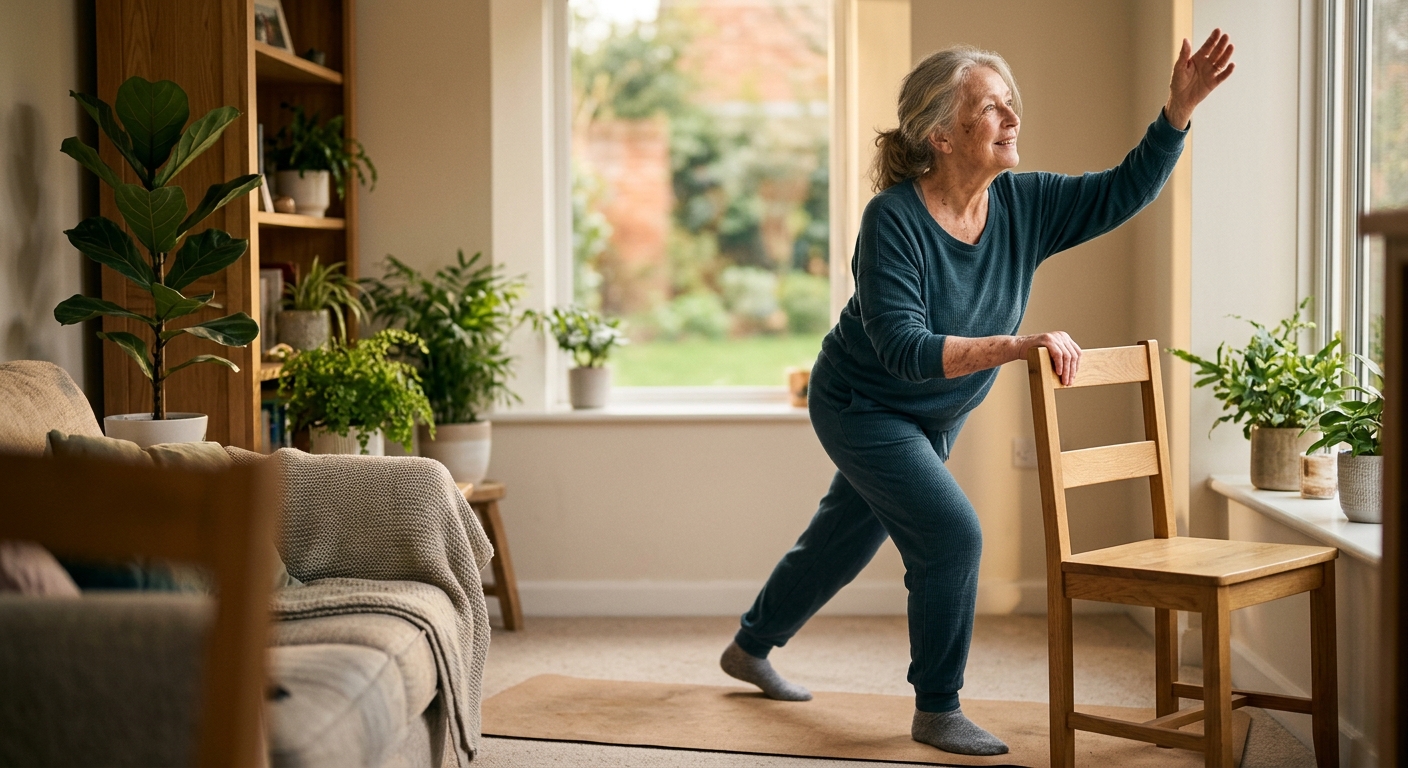
Safe Exercise Routines for Elderly Adults
Let me paint you a picture. A few Springs ago, I met Ruth at a community fitness class. She was 76, recently widowed, and had just been told by her doctor that she needed to “move more.” Her words, not mine. She had visions of crowded gyms and overly enthusiastic trainers barking orders. I could see the apprehension in her eyes as she told me, “I haven’t exercised in years, and I’m afraid to hurt myself.”
Here’s the thing: Ruth’s story isn’t unique. According to a 2024 report from the Centers for Disease Control and Prevention, nearly 28% of Americans over 65 are physically inactive. Yet, movement remains the single most effective medicine for longevity I’ve witnessed during my career. I’ve heard every reason under the sun why seniors hesitate to get moving, fear of falling, lack of energy, chronic pain, the intimidation factor. I get it. But time and time again, I’ve seen exercise transform not just bodies, but moods, health, and independence.
That’s why safe workouts for seniors aren’t just about calories or biceps. They’re about holding onto the things that matter most: freedom, dignity, and the ability to enjoy the small things, like walking your grandchild to school, tending your tomatoes, or simply tying your own shoes without a struggle. I’ve worked with hundreds of folks just like Ruth who’ve discovered that the right fitness routine isn’t scary or overwhelming. It’s empowering.
So, if you’re reading this because you want to help your parent or loved one, or maybe reclaim your own vitality, know that you’re not alone. I’ll walk you through the safest, most practical, and research-backed senior exercises I’ve seen change lives. We’ll get specific, no generic fluff here. Ready? Let’s find a path that fits you or your loved one. Because everyone deserves to move with confidence.
Why Movement Matters More As We Age
Here’s a scenario I’ve seen countless times: An older adult takes a tumble and, out of fear, decides to sit more. That decision, though understandable, can start a downward spiral of weakened muscles, declining balance, and a shrinking world.
You may also find our article on yoga and stretching exercises for older adults helpful.
Let’s face reality. Our bodies do change as we age. Muscle mass drops by as much as 8% per decade after 40, according to a 2024 Stanford Medical review. Bones thin, joints stiffen, and balance reflexes slow down. But here’s the kicker, regular movement not only halts this decline, it can even reverse some of the clock.
A 2024 Johns Hopkins study found adults over 70 who did strength and balance training twice a week for 6 months improved walking speed, muscle power, and cut their fall risk by nearly half. That’s more than any medication can claim.
Pro Tip: Don’t get stuck on old-school ideas that exercise is only for athletes. In truth, the goal for elderly fitness is consistency, not intensity. Even simple chair-based routines count.
*Common Mistake:* Many folks think, “I have arthritis, so I’ll wait until I feel better.” But inactivity usually makes joint pain worse in the long run. The gentlest movements can nourish cartilage and actually ease stiffness.
So if you’re wondering whether exercise is too risky, remember, not moving is the bigger risk. What I recommend is multidimensional movement: strength, balance, stretching, and some form of aerobic activity. Sprinkle in fun, community, or a purpose (like gardening or dancing), and you’ll stick with it far longer than slogging through something you dread.
Where to Start: Assessing Safety and Readiness
Before anyone laces up their sneakers, step one is always a health check. I’ll never forget Clifford, an 82-year-old who cheerfully joined my Saturday walking group without mentioning he was on new heart medication. A quick pre-walk chat revealed some alarming symptoms he’d brushed off. We got his doctor involved and, together, made a plan that fit his current health without risking a hospital visit.
Now, I know you want to jump in, but always talk with a primary care doctor before starting anything new. Ask about:
- Existing heart conditions, balance issues, or chronic illnesses
- Medications that might impact heart rate or blood pressure
- Pain that hasn’t been diagnosed yet
- Fall history in the past year
Pro Tip: Bring a list of questions and all medications to your appointment. If you’re unsure what’s safe, ask for a referral to a physical therapist or certified senior fitness specialist.
*Product Recommendation:* Start with a home blood pressure monitor, like the Omron Series 5 (about $45). This gives peace of mind as you ramp up activity.
And don’t skip the footwear! Slippers or loose shoes are a fall waiting to happen. I usually point folks toward New Balance’s 577 Walking Shoe (around $45) for a sturdy, supportive choice that fits most budgets.
A personal assessment is more than checking for red flags. It’s making sure you set a baseline: can you get up from a chair without using your hands? Walk across the room steadily? If not, don’t feel bad. You’re not alone, that’s exactly where you start and build up.
*Common Mistake:* Don’t ignore warning signs like shortness of breath that seems new, chest pain, unexplained dizziness, or irregular heartbeat. Getting clearance isn’t just a formality. It’s your green light for safe progress.
Once you’re cleared and confident, you can breathe easy and focus on what really matters, building enjoyment and ability.
Building Strength Safely at Any Age
Strength training is not just for bodybuilders, and frankly, I wish we’d retire that myth once and for all. I’ve lost count of how many times someone’s told me, “I don’t want to bulk up!” Trust me, it takes a lot more than a few light weights to turn into Arnold Schwarzenegger.
Real example: Rosalie, 81, spent years shying away from picking up anything heavier than her purse. After her doctor stressed the importance of muscle strength, we started with just 2-pound hand weights. Within three months, she could carry her grocery bags up a flight of stairs and said her back pain had all but vanished. The National Institute on Aging provides detailed guidelines for seniors and caregivers.
A 2022 National Institute on Aging trial found that adults over 70 who did moderate strength training just twice a week improved functional independence scores by 38%. That’s more time spent enjoying life, less worrying about falls or injuries.
Here’s how to build strength safely:
- Start with bodyweight moves like wall push-ups, sit-to-stands (from a chair), and heel raises.
- Use resistance bands (TheraBand set, around $18) for gentle but effective resistance with less risk than dumbbells.
- If using hand weights, begin with 1-3 pounds. Water bottles can do in a pinch.
- Focus on perfect form, not the number of repetitions.
- Rest 48 hours between strength sessions to allow for muscle recovery.
Pro Tip: Chair-based strength exercises are remarkably effective for those with limited mobility. Try seated bicep curls or leg extensions using ankle weights (Comfort Fit brand, about $19). They add just enough challenge.
*Common Mistake:* Seniors often lift their weights too fast. The magic happens with slow, controlled movement. This works the muscles instead of relying on momentum.
If you find yourself losing interest, mix things up with simple routines you can do during commercials or with a partner, accountability is gold. Building muscle isn’t about competition; it’s about independence. Trust me, it feels darn good to carry that laundry basket yourself.
Balance and Fall Prevention: Simple Moves That Make a Difference
Picture this: Bill, 75, loved walking his beagle around the block. Last winter, a minor sidewalk crack nearly sent him sprawling. Losing his balance terrified him, so he started limiting his outings. I watched his confidence, and social life, shrink.
Turns out, balance isn’t just “luck.” It’s a skill we can sharpen with practice. The CDC estimates that one in four Americans 65 or older falls each year, and falls are the number-one cause of injury-related deaths in seniors.
A 2023 Tufts University review highlighted that targeted balance training (15 minutes, 3 times a week) decreased fall rates by 33%. Not bad for a handful of simple exercises.
What works?
- Standing calf raises while holding the back of a sturdy chair
- Single-leg stands (just a few seconds, gradually increasing)
- Marching in place
- Tandem walking heel-to-toe along a hallway
Pro Tip: Don’t skip practicing on uneven surfaces (with supervision). Lay a yoga mat on the floor and practice gentle stepping motions. This mimics real-world sidewalks, boosting confidence. For more guidance, read our article on Creating a Senior-Friendly Garden. The Harvard Health Publishing recommends that seniors discuss these options with their healthcare provider.
*Product Recommendation:* The Vive Balance Pad ($26) adds a subtle wobble for more challenge. It’s portable and stores easily.
*Common Mistake:* Some folks try balancing with eyes closed or on unstable surfaces before they’re ready. Always start with support, like a countertop.
Balance isn’t about standing still; it’s about being able to recover from slips or stumbles. Working on these moves in small daily doses has kept so many of my clients enjoying their walks, not fearing them.
Stretching and Flexibility: The Often-Overlooked Secret
You won’t hear many people say, “Wow, my stretching routine changed my life!” But let me tell you about Edna, 88, who credited daily gentle stretches with letting her tie her own shoes again. Her words: “It’s not glamorous, but it keeps me moving.”
When I started our local senior wellness program in 2022, I thought the hardest part would be planning routines—sets, reps, all of that. I was wrong. The hardest part was getting folks to believe they deserved to feel good in their own bodies again. I remember setting out blue yoga mats from Walmart on the community room floor and realizing half the group wouldn’t get down there even if I begged. Pride, pain, fear. Sometimes all three. So I stopped chasing the “perfect” workout and started asking better questions: What hurts when you stand? Which hallway in your house feels safest? What time of day do you feel steady? That’s when the routines started sticking.
Flexibility makes everything easier: reaching top shelves, turning to look behind you, even standing up straight. Unfortunately, stiff joints and tight muscles are common complaints as we age.
A 2023 study in the *Journal of Geriatric Physical Therapy* found that seniors who added just 10 minutes of stretching most days improved shoulder and hip mobility by 44% over 12 weeks. That means more comfort (and safety) for everyday tasks.
Where to begin?
- Neck rotations and gentle shoulder rolls
- Seated hamstring stretches (use a towel to gently pull foot toward you)
- Wrist and ankle circles while watching TV
- Cat-cow stretches (if knees and wrists allow)
No fancy equipment needed, but a thick yoga mat like the Gaiam Essentials (about $29) makes floor work more comfortable.
Pro Tip: Try dynamic stretching (moving through ranges of motion, like slow arm circles) before workouts, and static stretching (holding a stretch for 20-30 seconds) after.
*Common Mistake:* Forcing a stretch is a recipe for injury. Ease into it, listening to your body.
Some folks worry they’re “too stiff” to start. I tell them: you’re never too old or immobile to stretch. Even tiny improvements add up, and the daily habit makes a difference. Edna proved that for years.
Cardiovascular Workouts: Heart Health Without the Stress
If your first thought is “treadmills are for younger people,” you’re not alone. I can still see the look on Harold’s face when his daughter pushed him to join my group fitness walk after his heart surgery. He envisioned breathless jogging, but what we actually did was simple: 10-minute strolls, chatting about baseball. Families can access additional support and information through the National Institute of Mental Health.
Here’s the science: Cardio, even in short low-intensity bursts, helps lower blood pressure, increases lung capacity, and slashes risk of chronic diseases. According to the American Heart Association’s 2023 update, just 75 minutes of brisk walking per week cuts heart attack risk for seniors by up to 30%.
Safe ways to get the heart pumping?
- Brisk walking (indoors or outdoors)
- Stationary cycling (Recumbent bikes like Marcy ME-709 are gentle and cost around $145, but gyms often have these machines)
- Water aerobics, many YMCAs offer affordable classes (about $7 per session)
- Dancing in the living room to favorite tunes (seriously, it counts!)
Pro Tip: Use a funky kitchen timer to break up walks into short segments if 30 minutes at once feels daunting. Three 10-minute sessions a day work wonders.
*Product Recommendation:* The Fitbit Inspire 3 ($48) helps track steps and heart rate, if you like a little feedback and motivation.
*Common Mistake:* Overdoing it on day one. Start slowly; you want to finish feeling energized, not exhausted.
Spark your cardio habit with something enjoyable. Maybe you stroll the mall with a friend (bonus: climate control and benches), or try chair aerobics on YouTube with video options for every fitness level. I’ve seen entire friendships blossom during these mini adventures.
Chair-Based and Seated Workouts: Accessible Moves for All
Let’s talk accessibility. Not everyone can stand for long or get up and down from the floor easily. My friend Jacob, who used a walker after a hip replacement, kept asking for “something I can actually do.” The good news, chair workouts aren’t “less than,” they’re powerful tools in the elderly fitness toolbox.
Research supports this. A 2022 University of Wisconsin study followed older adults with limited mobility completing seated exercise routines three times weekly. After two months, they showed a 31% improvement in upper body strength and 22% better mood scores.
What I recommend for seated workouts:
- Seated marching (lifting knees in place)
- Overhead arm reaches with light weights
- Seated side bends (hands behind head, elbows wide)
- Toe taps and heel raises
Resistance bands shine here, too. Fit Simplify’s resistance loop set ($12) offers all-level resistance and stores easily in a drawer.
Pro Tip: Put on your favorite music and move with the beat, the minutes pass much faster.
*Common Mistake:* Leaning way back or slouching can strain the spine. Sit tall, shoulders down, movements slow and controlled. For more guidance, read our article on Transportation Options for Non-Driving Seniors. According to MedlinePlus, early intervention remains one of the most effective strategies.
If you’re helping a loved one, invite them to these chair routines. Even a few minutes several times a day counts. I’ve seen folks who couldn’t stand on their own go from seated arm lifts to eventually dancing at their granddaughter’s wedding. Progress isn’t always linear, but movement begets more movement.
Group Classes and Social Motivation: The Key to Sticking With It
“I stick to exercise when someone expects me to show up,” Janice, 68, confided. She’d tried home workouts for years, only to get bored and find excuses. It wasn’t until she joined her neighbor for a gentle Tai Chi class at the local rec center that moving regularly finally clicked.
There’s real science behind this. A 2022 Harvard study revealed that older adults in group exercise classes were 47% more likely to maintain regular activity at the six-month mark compared to solo exercisers. Social bonds and a sense of community make it fun, not a chore.
Classic choices that work for most:
- Tai Chi: gentle, flowing, helps balance and stress. Classes at rec centers often run $5-10.
- Silver Sneakers: covers a variety of senior exercises at thousands of gyms nationwide, many free with Medicare Advantage plans.
- Senior yoga: focuses on gentle flexibility, balance, and relaxation. Expect to pay $8-15 per drop-in class.
- Water aerobics: low-impact and joint friendly.
Pro Tip: Don’t underestimate virtual classes. Look into websites like SeniorPlanet.org or YouTube’s Hasfit channel, both free and tailored for elderly fitness.
*Common Mistake:* Skipping classes after a break, feeling embarrassed about “losing progress.” Truth is, whether you missed a week or a month, every new session is a fresh start.
Many seniors find unexpected friendships alongside fitness gains. I’ve watched entire lunch clubs form after morning classes. If nerves or lack of transportation is a barrier, see if your library or community nonprofit offers van rides or neighborhood shuttles, almost every city has something if you call around.
Peer encouragement is gold. The right group can turn exercise into the best part of the week.
In-Home Equipment: What’s Worth Buying (and What Isn’t)
When gyms may not be accessible or enjoyable, home equipment can fill the gap. But what’s truly worth it? Over the years, I’ve seen folks buy everything from fancy treadmills to unused rowing machines gathering dust. Mayo Clinic experts suggest that consistent implementation of these practices yields the best results. Further clinical recommendations are outlined by the Mayo Clinic.
I also had to check myself—because I can be stubborn. There was a Saturday in March 2024 when I tried to demonstrate a balance move without my shoes on, just socks on polished tile, and I slid like I was on ice. I caught the counter, but my heart pounded so hard I had to sit down. Everybody went quiet, and I felt my face burn. Embarrassing, yes. Useful, too. After that, I started bringing a small bag every session: grippy socks, a blood pressure cuff, and a roll of painter’s tape to mark safe spots on the floor. It reminded me that “safe exercise” isn’t a slogan. It’s tiny choices, on purpose, every time.
Here’s what I suggest for most seniors just starting out:
- Resistance bands ($10-20): Versatile, inexpensive, and safe.
- Light hand weights (1-5 lb pairs, about $18): Great for strengthening arms and shoulders.
- Ankle weights (Comfort Fit, $19): Help with leg lifts and seated exercises.
- Stable step platform (The Step, $33): Ideal for balance and low-impact aerobic work.
If you love walking but weather gets in the way, a compact pedal exerciser (like Vive’s, $38) fits under most chairs and provides a gentle cardio option.
Pro Tip: Set equipment somewhere you’ll see it often, not tucked in a closet. Out of sight, out of mind.
*Common Mistake:* Investing in large machines before building the habit. Start simple; you can always expand later.
Floor mats matter more than most people realize. A solid, non-slip yoga mat like the Gaiam Essentials ($29) protects joints and makes seated or stretching work more comfortable.
If funds are tight, check local thrift shops for lightly used gear, or ask at your community center, many keep lending libraries of exercise supplies for seniors.
Remember, you’re not training for a marathon. The right tool is the one you’ll use regularly. Test a few at a store before deciding what feels steady and useful.
Mistakes, Misconceptions, and How to Navigate Setbacks
Let’s get honest: progress with elderly fitness is rarely a straight line. The biggest mistake I see? Expecting immediate results or thinking a setback means you failed. It’s easy to lose motivation after a missed week or a flare-up of arthritis.
Another myth: Only high-intensity, heart-pounding sweat sessions count. I’ve seen clients like Linda, who thought chair yoga was “pointless”, until she stuck with it and found her pain and sleep improved noticeably after a month. For a comprehensive list of trusted organizations and helplines, visit our Senior Care Resources Directory.
A 2023 Mayo Clinic analysis showed that seniors with consistent mild activity, even just walking and gentle strength moves, had an 18% lower risk of hospitalization over two years compared to inactive peers.
Pro Tip: Keep an exercise log. Even jotting down “walked 8 minutes” or “stretched arms” builds accountability and lets you spot patterns on tougher days.
*Common Mistake:* Pushing through pain. Discomfort (mild muscle soreness) is normal with new activity, but sharp pain, swelling, or headaches are a yellow flag. Listen and adjust.
Flexibility in your plan makes all the difference. If you miss a session due to illness, pick up where you left off. If balance feels shaky one day, focus on stretching or seated routines instead.
Above all, forgive yourself for dips in motivation. Motivation ebbs and flows, habits hold you steady. Surround yourself with cheerleaders, whether friends, a class, or an online group. You’re not in this alone.
Bringing It All Together: Your Action Plan for Safer Senior Exercises
If you’re feeling a little overwhelmed by all these routines, let me help you break it down. Here’s what I tell every reader (and every family) who wants to get started with safe workouts for seniors:
Step 1: Get Medical Clearance and Assess Baseline
Schedule a check-up with your primary care doctor. Bring all your medication bottles and ask for exercise clearance. Note any limitations. At home, see how easily you can get up from a chair or walk a hallway. Write this down as your starting point.
Step 2: Pick Two Areas to Focus On First
Choose from strength, balance, flexibility, cardio, or chair-based moves. Reflect on your goals: is it getting up stairs, gardening with less pain, or simply more energy? Start modest, maybe just 10 minutes, three times a week, and use the product recommendations above if you need equipment.
Step 3: Build a Support System
Find a buddy or a group, virtual or in person. Commit to a weekly class, or schedule check-ins with family or friends. Use an activity log, and reward small wins, maybe with a favorite snack, a chat with a grandchild, or a new book.
Keep in mind: Setbacks are part of every senior exercise journey. With each effort, you strengthen not just muscles, but hope and confidence, too. I’ve seen “non-exercisers” become community role models. The secret is showing up, not being perfect.
A personal note: After 15 years in this field, I still smile every time someone like Ruth tells me, “I never thought I’d look forward to moving.” If she found her stride, you or your loved one can, too. Choose safety first, mix in some fun and company, and remember, a little progress today leads to big changes tomorrow.
You’ve got this. If a question ever pops up, reach out. I’m cheering for you every step (and stretch) of the way.
Real Story: Leon’s Journey
Leon was 81 and lived alone on the south side of Chicago, two flats down from his sister. After a winter slip on black ice, he started using a cane and stopped going to his Saturday barbershop trips because the walk from the bus stop felt “too long.” When I met him at a caregiver training, his daughter whispered that he’d been trying to “get strong” by doing random YouTube workouts. One video had him doing fast step-ups on a kitchen chair. He fell. Not a big hospital fall, but big enough to scare him back into his recliner.
We started smaller than he wanted. First week: five minutes after breakfast, walking the hallway with his cane and a little $18 Walgreens pedometer clipped to his waistband. He hated it. Said it made him feel “tracked.” What worked was tying movement to something he already did—coffee and the radio. We added sit-to-stands from his firm couch and heel raises while the kettle heated. What didn’t work: bands. The resistance band snapped and smacked his wrist, and he wouldn’t touch it again.
Eight weeks later, Leon could walk to the corner store and back without stopping. He still used the cane. But his face changed. He started scheduling haircuts again—like a man returning to himself.
A Personal Note from Angela
I need to tell you something I don’t always say out loud. Early on, I pushed too hard. I remember a class in Baltimore—back room of a church on Edmondson Avenue—where I asked Ms. Clara to “just do two more.” Her knees wobbled, and her smile disappeared. She didn’t fall, but she sat down fast, embarrassed, and I felt my stomach drop. I went home and cried in my car, hands still on the steering wheel, because I realized I’d done the thing I hate: I made it about my plan instead of her body.
Since then, I watch faces more than I watch form. I listen for the little cues—the breath that gets tight, the joking that’s really covering fear. If you’re caring for someone and you’re scared to get it wrong, you’re not alone. Start where they are. Apologize when you misstep. I still do. And keep showing up. That’s the part that changes everything.
Leave a Reply