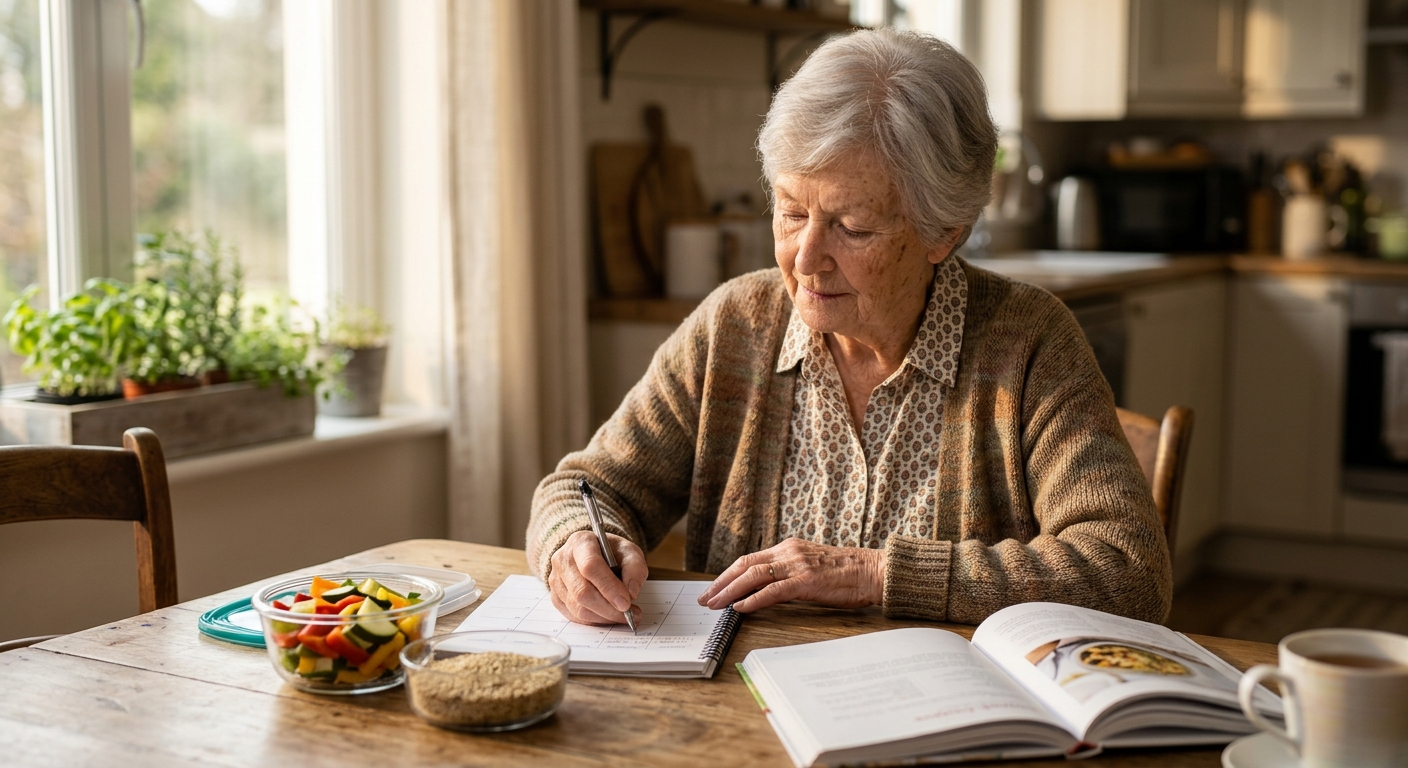
Healthy Meal Planning for Seniors Living Alone
I’ve lost count of how many times a frustrated daughter, son, or neighbor has called me in tears, worried about their mom or dad skipping meals again. Just last month, I was chatting with Mrs. Parker, who’s 72 and widowed, in her cozy but quiet apartment. She looked at me with a tired smile and confessed, “It just feels pointless to cook for myself. What’s the use if no one’s around to share it?” That hit me right in the gut. Here’s a woman who spent her life nurturing others, now facing another dinner of toast and tea, or perhaps nothing at all.
She’s not alone. Nearly one out of every three seniors living alone in the United States is at risk for malnutrition, according to a 2022 National Council on Aging report. That’s not just a stat, that’s Sylvia down the hall worried about falling in the kitchen, that’s George losing weight because he can’t taste much anymore, that’s your neighbor quietly letting “real” meals slip from their routine. The impact of poor meal planning in the elderly can be heartbreaking, worsening medical conditions, increasing isolation, and robbing folks of simple pleasure.
But here’s the thing I always tell families: eating well is one of the most powerful ways to preserve independence and joy, no matter your age or living situation. The good news? Cooking for one as a senior doesn’t have to mean bland, boring, or burdensome. I’ve spent 15 years working with older adults, and what I’ve learned is that with a bit of planning, creative tools, and a dash of encouragement, healthy meal planning for seniors living alone can be easier, and tastier, than you might think.
Let’s walk through practical, real-world solutions that can help your loved one (or you!) rediscover both the nutrition and pleasure of eating well solo. I’ll share true stories, hard-earned tips, and yes, a few of my favorite senior-tested recipes and products along the way.
Overcoming the Most Common Challenges: The “Why Bother?” Blues
Early one morning, I visited Earl, an 80-year-old widower and retired teacher. His fridge was nearly empty except for a half-finished carton of milk and some shriveled apples. Earl confessed, “It just seems like such a chore, making a meal for one.” Frankly, he’s saying what many seniors feel but are embarrassed to admit. When you live alone, the motivation to cook can evaporate, and so can good nutrition.
Here’s what I see most often:
– Seniors defaulting to crackers, cereal, or takeout because “cooking just isn’t worth it”
– Loss of appetite from medications, chronic health problems, or grief
– Fear of food waste and rising grocery bills
– Cooking for one seems lonely, there’s nobody to share the meal or the work
You may also want to read our article on heart-healthy cooking tips for seniors.
Sound familiar? Many of my clients have voiced exactly these concerns. The first step isn’t just about recipes or shopping lists; it’s about recognizing that these feelings are natural.
Pro Tip: If motivation is lacking, I recommend connecting food to simple pleasure. Try eating by a sunny window, playing soothing music, or setting out a favorite family photo. Make the experience cozy, as a gift to yourself, not a burden.
Here’s another little shift: Remove the guilt. Meals don’t need to be elaborate productions. A scrambled egg with spinach and a sliced peach IS a meal, and it counts.
Another trick I share is to “batch enjoy”, make enough for two meals, then have leftovers tomorrow with minimal effort. My client Marjorie swears by it: “Now I always make a pot of soup and freeze half. It feels like I’m sending my future self a care package.”
Common mistake: Don’t buy into the myth that healthy recipes for seniors have to be costly or complex. Simple is not only OK, it’s often better (less overwhelming, less waste, easier cleanup).
Kitchen Tools That Make Cooking for One Senior Friendly
Let’s revisit Mrs. Parker. After our chat, we went shopping together for a few kitchen upgrades. She’s had arthritis for years and was frustrated by heavy pans and stubby knives. So, we swapped her old cookware for lighter, easier-to-handle options, and you should’ve seen the difference it made.
Here are three tools I consistently recommend, based on years of senior feedback:
1. Mini slow cooker (1.5-2 quart): Perfect for making small batches of chili, stews, or oatmeal. The Crock-Pot 2-Quart Manual Slow Cooker is a fantastic buy, usually $25-35 at most retailers.
2. Electric kettle: Great for boiling water fast, ideal for tea, instant oats, or blanching veggies. The Hamilton Beach model is reliable and costs about $20.
3. Lightweight, nonstick skillet: The OXO Good Grips 8-inch skillet is easy to lift, non-slip handle, around $30.
I can’t tell you how many seniors give up cooking simply because their tools are too awkward, heavy, or unsafe. A good grip or non-slip surface might mean the difference between making a hot meal or reaching for a granola bar… again.
Pro Tip: Consider adding a kitchen stool with a backrest ($40-50), so you can prep or cook while sitting down, especially if standing is painful.
Also, get tools that help portion control without extra steps: small glass storage containers (Pyrex makes a 6-piece set for about $20) let you immediately divide leftovers and see what you have at a glance.
Mistake: Don’t buy huge appliances or bulk supplies, if you can’t lift it or will waste half, it’s not saving you money. Healthcare professionals at the Mayo Clinic have published helpful guidelines on this topic.
Designing a “Just Right” Meal Plan: Simplicity, Variety, and Nutrition
One of my dearest clients, Ruth, lives for routine. Each Sunday, she reviews her week ahead and creates a handwritten meal calendar. She swears it keeps her both nourished and sane. But plenty of other folks need variety, or might get bored with repetition.
Here’s what I recommend based on individual personality and needs.
The Simple Weekly Meal Plan
For Ruth (and maybe you), use a template. Example:
– Breakfast: Oatmeal with fruit (Mon, Wed, Fri), scrambled eggs with whole wheat toast (Tue, Thu, Sat), yogurt parfait (Sun)
– Lunch: Turkey and cheese on whole grain bread (Mon, Thu), tuna salad wrap (Tue, Sat), chicken noodle soup with crackers (Wed, Fri), cottage cheese and fruit (Sun)
– Dinner: Rotisserie chicken and microwaved sweet potato (Mon), vegetable omelet (Tue), salmon cakes (Wed), whole wheat pasta with meat sauce (Thu), stir-fried tofu and mixed veggies (Fri), homemade minestrone (Sat), frozen lasagna with side salad (Sun)
Switch up sides and use up leftovers. Repeat your best hits.
For Variety Lovers
If routine bores you, try theming days: Meatless Mondays, Taco Tuesdays (yes, seniors love tacos, too!), Fish Fridays, etc. Use mix-and-match core ingredients.
Pro Tip: Always keep two “emergency meals” in your freezer. I love Amy’s Frozen Bowls ($5-6 each), look for options with moderate sodium (under 500mg per serving). Pair with a bagged salad for a quick, solid meal.
Nutrition targets:
– One protein at every meal (eggs, Greek yogurt, chicken, tuna, tofu, beans, cheese)
– Whole grains over white (oatmeal, brown rice, whole wheat bread)
– At least two veggies and one fruit each day
– Healthy fats like olive oil or avocado For more guidance, read our article on Creating a Senior-Friendly Garden. The Johns Hopkins Medicine maintains a comprehensive database of resources for seniors and families.
A 2024 study from Johns Hopkins found that older adults with higher fruit and vegetable intake cut their risk of functional decline by nearly 40 percent. That’s huge!
Mistake: Don’t rely only on “senior frozen dinners.” Several are ultra-processed and very high in salt or sugar. Look for brands like Healthy Choice Power Bowls or homemade freezer-friendly recipes.
Shopping Strategies: Saving Time, Money, and Stress
Grocery shopping is another hurdle. Take my neighbor Al, after he had a minor stroke, his daughter started shopping for him, but she always bought family-sized yogurts and huge packs of blueberries. Half would spoil before he finished them. He didn’t want to seem ungrateful, but those savings went straight into the trash.
Here’s what I recommend, whether you’re shopping for yourself or a loved one.
Shop Smart for Singles
- Buy produce that lasts longer: carrots, apples, cabbage, oranges, sweet potatoes, frozen berries
- Mix fresh and frozen veggies. Frozen peas, broccoli, and spinach are just as nutritious and you can use what you need without waste.
- Choose deli counter or individually-wrapped proteins: one pork chop, two chicken breasts, three slices of ham.
- Purchase shelf-stable pantry items: canned beans, brown rice, low-sodium soup, nut butters
- Look for half-loaves of bread, or immediately freeze what you won’t use within 3 days.
Pro Tip: I always encourage seniors to use grocery delivery for staples. Instacart and Walmart Grocery Delivery both start at about $7 per delivery, but they save on transportation costs and prevent impulse buying.
The first time I realized my mom wasn’t eating, it wasn’t dramatic. It was a smell—or the lack of one. No onions in a pan. No toast. Just that still, cold-air feeling when you open a fridge that hasn’t been used all day. It was March 18, 2024, raining hard, and I’d stopped by after work with a Chick-fil-A cup in my hand. She was in her recliner with the blanket pulled up to her chin, watching the same episode of “Wheel” like it was keeping her company. When I asked what she’d had, she said, “Oh, I had a little something.” I believed her. Then I checked the trash. Nothing. I felt stupid, and guilty, and scared all at once.
I used to think meal planning was a neat little calendar thing—color-coded, matching containers, the whole Pinterest fantasy. Then I tried doing that for my mother and got humbled fast. The first time I packed her fridge with “healthy” prepped meals, I felt proud walking out of her apartment. Two days later I came back and found the containers untouched, lined up like little soldiers. She told me, quietly, “Angie, I don’t want to heat all that up.” That stung. Not because she was ungrateful, but because I realized I was planning for the person I wished she still was, not the woman in front of me with sore knees and tired hands.
If higher prices at small stores hold you back, check if local senior centers offer transportation to bigger stores or run monthly food box programs. Ask your pharmacist or primary care doctor for referrals.
Product pick: OXO Good Grips produce keeper ($14 for small size) extends shelf life on lettuce or berries by days, a small investment that really pays off.
Mistake: Don’t shop while hungry. It leads to impulse buys and less healthy choices. And don’t overload your cart, focus on 3-4 core proteins, 3-4 grains, and a produce “rainbow” each week.
Time-Saving and No-Cook Meal Tricks
Now, let’s get honest: some days even 20 minutes in the kitchen feels like too much. My client Ron, a retired police officer, needed to keep things extremely simple after his hip surgery. He couldn’t stand for long, so we brainstormed no-cook and quick-assembly meals that delivered nutrition without the fuss.
Here are a few of my favorites (all senior-tested, I promise):
– Greek yogurt with sliced banana, slivered almonds, and a sprinkle of cinnamon
– Whole wheat pita stuffed with rotisserie chicken and bagged coleslaw, drizzled with store-bought vinaigrette
– Mini cheese plate: cubed cheddar, baby carrots, grapes, and a slice of whole grain bread
– Peanut butter on whole wheat English muffin with sliced apple
Many of these come together in under 10 minutes, no stove required. For dinners, store-bought rotisserie chickens ($8-10) stretch across 2-3 meals and pair well with steamed frozen vegetables (Birds Eye Steamfresh bags are $2-3 each).
Pro Tip: Stock a “grab-and-go” snack bin in the fridge: hard-boiled eggs, string cheese, single-portion hummus cups, cut veggies, applesauce pouches. The National Institute on Aging recommends similar approaches for improving senior health outcomes.
Product recommendation: Sistema To Go containers ($12 for set) portion out snacks so they’re always ready.
Mistake: Don’t over-rely on crackers, pastries, or candy, which spike sugar but do not keep you satisfied or nourished.
Healthy Recipes Seniors Actually Enjoy
Cooking for one senior doesn’t need to be a solo act, or a sad affair. I’ve held hundreds of group cooking classes in retirement communities, and what always gets the most smiles and requests for seconds? Flexible, flavorful, colorful dishes that make the kitchen smell like “home.” Let me share a few highly requested favorites.
Creamy Chicken and Veggie Bake (serves 2, easy to halve or freeze)
Ingredients:
– 1 cup cooked chicken, shredded (rotisserie or leftover is perfect)
– 1 cup mixed veggies (frozen or fresh: broccoli, carrots, peas)
– 1/4 cup light sour cream or plain Greek yogurt
– 1/2 cup shredded cheese (cheddar or mozzarella)
– 1 cup cooked brown rice or whole wheat pasta
– Pinch of black pepper, dried thyme
Instructions:
1. Mix everything in a small baking dish.
2. Top with cheese and bake at 350°F for 15-20 minutes (or zap in microwave).
3. Serve warm; leftovers keep 3 days in the fridge.
“No Chop” Tuna Salad Plate
- 1 can tuna (in water), drained
- 2 tablespoons mayo or Greek yogurt
- 1 celery stalk, snapped in half
- A handful of cherry tomatoes
- A few whole grain crackers or toasted bread
Stir tuna and mayo, season with pepper. Scoop onto plate with veggies and crackers. No knife required.
Breakfast-for-Dinner Scramble
- 2 eggs
- Handful of spinach (fresh or frozen)
- 2 grape tomatoes, halved
- Sprinkle of mozzarella
- Heat olive oil in pan, add eggs and veggies, scramble. Top with cheese.
Pro Tip: Always use real plates and utensils, even for simple meals. It sends your brain a “this matters” signal and makes eating alone more enjoyable. Who hasn’t eaten chips from the bag and felt a little sad? Take out the plate.
If you hate leftovers, try freezing half the recipe in small containers. Soups, stews, cooked grains, and cooked meats freeze beautifully for up to two months.
Common mistake: Don’t shy away from herbs and spices. As we age, taste buds may dull. Basil, garlic, dill, lemon zest, and smoked paprika can bring new life to basic dishes and boost appetite naturally.
Making Mealtimes Enjoyable (Even When Eating Alone)
Sometimes the food is fine, but the problem is… loneliness. I’ve seen over and over that shared meals, even virtually, can dramatically lift mood and appetite. During the pandemic, my neighbor Gail started calling her sister at lunchtime every Tuesday. They’d “meet” by phone, eat their salads, and chat. That simple connection made all the difference for her.
I’ll tell you where I messed up: I tried to fix it with logic. I made a spreadsheet. I color-coded protein. I talked like a nurse instead of a daughter. My mom looked at me and said, “Angie, I’m not a project.” That stung because she was right. So I shifted. We started talking about comfort first—what feels warm, what’s easy on her stomach when her arthritis flares, what she can carry from the counter to the table without her hands shaking. I bought those Glad containers with the easy-snap lids because the tight ones made her wrists hurt. Tiny changes. Real-life changes. And honestly? They mattered more than my perfect plan ever did.
There was a night in January 2024—cold enough that the air hurt—when I got off work late and stopped by Mom’s place anyway. I expected her to be asleep. Instead, she was sitting in her recliner with a blanket pulled up to her chin, watching the 10 o’clock news, and her blood sugar was low because she “didn’t feel like messing with food.” I snapped. I hate admitting that. I raised my voice, she went quiet, and the guilt sat in my chest like a brick. The next morning I brought her a warm egg sandwich from Wawa and apologized. That’s when I learned: if the plan doesn’t include comfort and ease, it won’t last.
You don’t have to eat in silence. Here’s what I suggest:
- Facetime or phone calls during breakfast or lunch with a loved one
- Eat while listening to a favorite radio station, audiobook, or podcast (NPR’s “All Things Considered” is popular with many of my clients)
- Join a senior center meal program (most offer low-cost lunches and a chance to socialize, average meal cost $1-4)
- Invite a neighbor over for potluck once a week; you both cook less, eat better, and enjoy company
Some of my clients even schedule “TV dinners” by watching a favorite show during supper, if that’s enjoyable and encourages eating better, I call it a win! For more guidance, read our article on Transportation Options for Non-Driving Seniors. The MedlinePlus recommends that seniors discuss these options with their healthcare provider.
Pro Tip: Consider investing in a nice placemat and favorite mug or plate. At $10-15, these little touches can make solo meals feel warmer and less utilitarian.
Misconception alert: Don’t believe the myth that only big, family-style meals are worth making special. You deserve a bit of ceremony just for yourself.
Navigating Special Diets and Chronic Conditions
Seniors with diabetes, high blood pressure, or difficulty chewing need a few workarounds. My client Linda, who manages both diabetes and high blood pressure, was overwhelmed trying to figure out what she “could” still eat. We sat down and made a few swaps, turkey for sausage, brown rice instead of white, lite vinaigrette instead of creamy ranch, and she realized it wasn’t as hard as she feared.
For common conditions, here are a few strategies:
- Diabetes: Always pair carbs with protein or fat (for example, toast with peanut butter, not jam alone)
- Hypertension: Choose low-sodium broths and condiments like Mrs. Dash, and rinse canned beans before using
- Dental or swallowing issues: Go for softer foods, shredded meats, yogurt, ripe fruits, scrambled eggs, or make “smoothie bowls” with nut butter and oatmeal blended in
- Poor appetite: Add healthy calories with avocado, olive oil, or full-fat yogurt; eat smaller meals more often
The Mayo Clinic reported in 2023 that older adults with poorly controlled diabetes had double the rate of hospitalization compared to their peers with better meal balance. Small daily changes can literally keep you healthier, and out of the hospital.
Pro Tip: Use a 7-day pill organizer ($8-12) and place it on the kitchen table, when you eat, you’ll remember your meds, and vice versa, keeping routines smooth.
Product suggestion: Herb scissors ($15 for a set) help quickly snip herbs or leafy greens, adding flavor and fiber without fancy knife work. The CDC Nutrition provides detailed guidelines for seniors and caregivers.
Mistake: Don’t take every “diabetic” or “low-salt” label at face value. Always compare nutrition labels, aim for no more than 400-500mg sodium per meal, and skip added sugars in foods labeled “healthier.”
When to Ask for Help: Grocery, Meal Delivery, and Caregiver Support
Too often, seniors feel they must do it all alone, and that’s just not realistic. Even the most independent among us need help sometimes, especially after surgery, illness, or a rough month.
Meal delivery isn’t a luxury, it’s a lifeline for many. My client Sam started using Mom’s Meals after a fall (cost averages $7.99 per meal, delivered, often covered by Medicaid if you qualify). He told me, “It feels like someone dropped off a little bit of care each day.” Silver Cuisine by BistroMD is another service I recommend, meals are chef-prepared, often less than 500 calories and under $10 per serving.
For grocery help, local volunteers, Meals on Wheels, or church programs can step in. I recently helped a client join a “Caring Neighbors” program through her town. Volunteers call twice a week and deliver groceries, which “takes a big load off,” in her words.
For those who might struggle with cooking, consider an hourly helper for meal prep. Many agencies offer companions for $18-25/hr, and they’ll chop, portion, and even teach new recipes. This can be once a week or just as needed.
Pro Tip: Use your smartphone’s reminder function to keep track of grocery deliveries and meal times. Set alarms labeled “Lunch with Jane” or “Dinner, try new salad.”
Mistake: Don’t wait too long before reaching out, one skipped week of groceries can lead to malnutrition, falls, or illness. There’s no shame in using services designed to help seniors live well at home.
Avoiding Missteps: The Most Common Mistakes in Meal Planning Elderly Folks Make
In my 15 years, I’ve seen three mistakes pop up again and again: For a comprehensive list of trusted organizations and helplines, visit our Senior Care Resources Directory.
1. Skipping meals: Out of habit, cost concerns, or “just not hungry.” Skipping leads to weakness, falls, and mental fog.
2. Relying on processed snacks: Easy but lacking in nutrients, these don’t support brain or muscle health.
3. Not drinking enough water: Dehydration is the hidden enemy for solo seniors, especially those who don’t “feel” thirsty.
Let me share the story of Tom. After his wife passed, he got into the habit of skipping breakfast, then nibbling on crackers until dinner. No surprise, his weight dropped, and he started feeling dizzy. Once we set him up with a big water bottle (Contigo’s 24 oz. bottle, $15, with a carry handle) and an easy smoothie recipe for breakfast, his energy came roaring back.
Pro Tip: Put a basket of healthy snacks (nuts, low-sugar granola bars, dried fruit) in view. Out of sight truly is out of mind.
And remember, flavor matters. Seniors who find food bland often eat less, so rescue tired taste buds with lemon juice, salsa, mustard, or fresh herbs.
Misconception: Don’t assume your appetite “should” shrink with age. Decreased appetite can signal illness, depression, loneliness, or a side effect that needs attention.
Conclusion: Your 3-Step Plan to Healthier, Happier Solo Meals
Now, if you’re feeling overwhelmed or discouraged right now, take a deep breath. Here’s what I recommend, no matter where you (or your loved one) are starting from.
Step 1: Choose two go-to meal templates, one for breakfast, one for lunch or dinner. Write them down and keep the list on the fridge. For example: peanut butter toast + fruit for breakfast, or rotisserie chicken + frozen veggies for dinner.
Step 2: Invest in two or three senior-friendly kitchen tools. Maybe a smaller slow cooker and sturdy storage containers. Make your kitchen a pleasant, workable place.
Step 3: Arrange company for meals, even if it’s just a phone call a couple times a week, or a regular “TV dinner” date with yourself and your favorite show. Aim for connection over perfection.
Even small changes, I’ve seen, lead to big improvements. Just ask Mrs. Parker, last week, she made her favorite blueberry oatmeal and sent me a photo with a note: “It was just me, but I lit a candle. It tasted like home.”
You deserve meals that nourish your body, spirit, and sense of self, no matter your age or living situation. Trust me: healthy meal planning for seniors living alone isn’t just possible, it’s a chance to savor each day, one caring bite at a time. If you need support or a friendly nudge along the way, I’m always here to share a recipe, a story, or a fresh tip. We’re all in this together. Happy eating!
What the Experts Say
“Older adults living alone often eat less not because they don’t ‘care,’ but because appetite, taste changes, depression, and medication side effects can quietly pile up. Skipping protein and fluids is especially risky—muscle loss and dehydration can happen fast and lead to falls or confusion. Simple routines and easy-to-chew, nutrient-dense meals usually work better than big cooking plans.”
— Dr. Marisa Feldman, Geriatrician, UCSF Division of Geriatrics
I felt that in my bones. My mom’s Parkinson’s meds didn’t just change her movement—they changed her whole relationship with food. Some days she swore everything tasted like “metal,” and I thought she was being dramatic. She wasn’t. I learned the hard way after a scary afternoon in Raleigh when she got dizzy and slurred her words, and I realized she’d barely drank anything since breakfast. Not a meal problem. A medication-and-body problem.
3 Myths I Hear All the Time
Myth #1: “If they’re hungry, they’ll eat.”
The truth: Hunger doesn’t always show up like we expect, especially with Parkinson’s and a house that’s too quiet. My mom would sit in her recliner in Charlotte and say she “wasn’t hungry,” but she’d also be too tired to think through steps—open fridge, pick food, heat it, clean up. That’s a lot. One evening I found an untouched Lean Cuisine in the freezer—still in the Kroger bag—because she forgot it was there. I used to take it personally. I don’t anymore.
Myth #2: “Cooking from scratch is the only ‘healthy’ way.”
The truth: I used to believe this and it wore me out. I’d haul groceries, chop vegetables, cook big pots, then feel guilty when Mom only ate three bites. The turning point came after I burned a pan of salmon while helping her to the bathroom—my fault, not hers—and I just stood there crying at the stove. After that, I started buying what actually got eaten: rotisserie chicken from Costco, microwavable Brown Rice from Uncle Ben’s, and those little Dole fruit cups. Was it perfect? No. Was it nourishing and realistic? Yes.
Myth #3: “If they have snacks in the house, they’re fine.”
The truth: Snacks can turn into accidental meals, and not in a good way. My neighbor Denise in Columbia checked on her dad and felt relieved because he had a pantry full of food. Then she found he’d been living off saltines and diet cola for days. I’ve seen the same thing with my mom—she’d nibble on a handful of Ritz crackers and call it lunch. I made the mistake of letting it slide because I was tired. Later, her constipation got so bad we ended up calling the nurse line at 9:30 p.m. Never again.
Leave a Reply