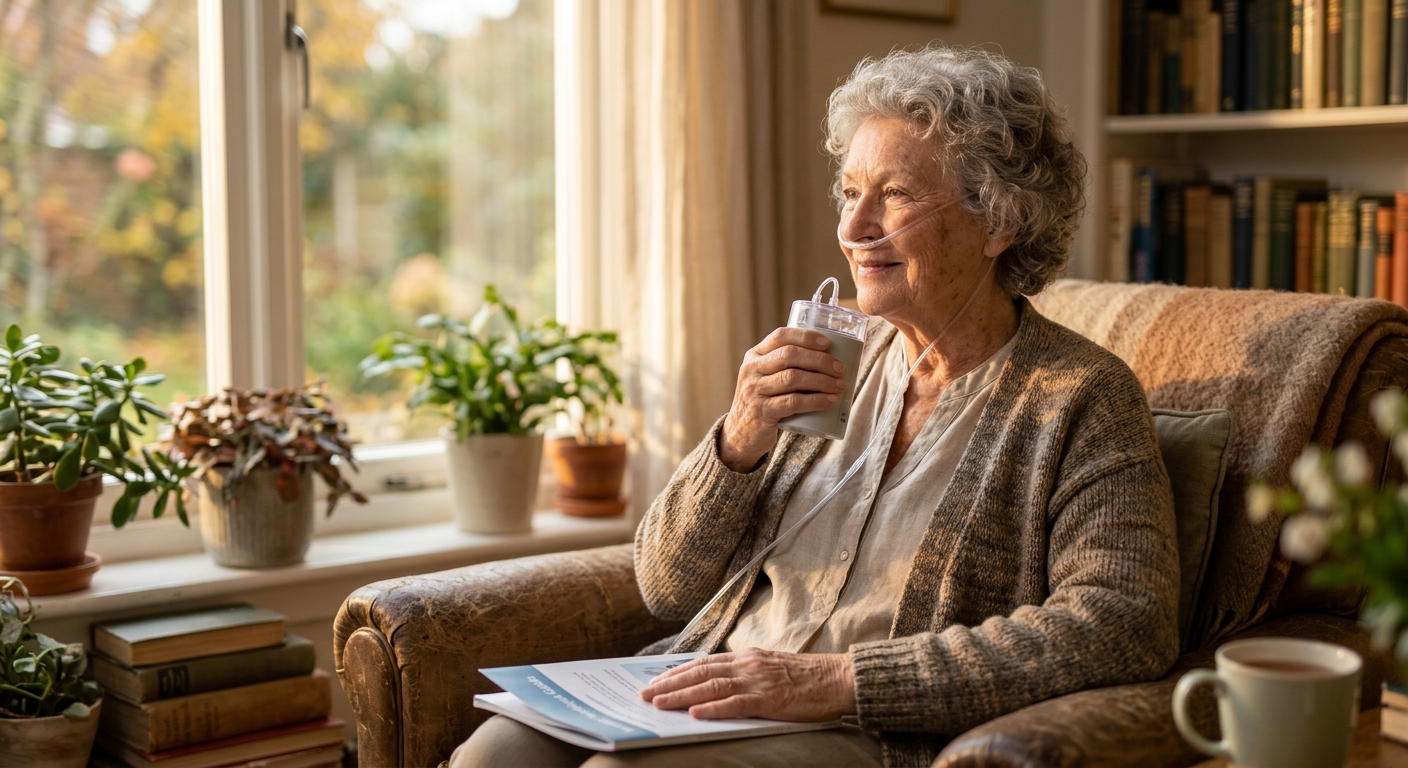
When Breathing Becomes a Battle: A Story Close to My Heart
A few years ago, I sat at the kitchen table with Louise, age 74, sipping chamomile tea as we talked through her fears. Louise had always been the matriarch in her family, famous for her bustling Sunday dinners and her warm, hooting laughter. But lately, she confessed, the stairs left her breathless and even getting dressed in the morning had become a chore. “I just can’t catch my breath anymore,” she whispered.
Louise is hardly alone. Recent data shows that over 15 million adults in the United States have been diagnosed with Chronic Obstructive Pulmonary Disease (COPD), and a staggering number of them are over 65. That doesn’t even include the millions more who live undiagnosed, quietly struggling through each day (CDC, 2022). For many seniors, breathing issues are a creeping challenge that can turn ordinary moments into uphill battles.
Why bring this up? Because if you’re reading this, you probably know someone like Louise. Maybe it’s your dad, your spouse, or even you. I’ve seen how fear and frustration can overshadow the golden years, and I’m here to say, there are ways to manage COPD and elderly breathing problems that put the joy back in living. You’re not powerless, even if your lungs feel that way.
Let’s walk through what I’ve learned from years of working with seniors, their families, and leading pulmonologists. I’ll cover the real, practical strategies that can help you or your loved one catch their breath, and keep it, for years to come.
—
For more on this, see our article on managing chronic pain in senior years.
Understanding COPD in Seniors: Why It Hits Harder After 70
COPD, think chronic bronchitis, emphysema, or a sneaky mix of both, isn’t just “getting older.” In Louise’s case, she had shrugged off her hacking cough for years, blaming it on old allergies. But the fact is, as we age, our respiratory system naturally loses some oomph. The airways don’t spring back the way they once did, and those tiny air sacs in our lungs stiffen up, making every breath just a bit more effortful.
Here’s the kicker: Nearly 60 percent of people with COPD are 65 or older, according to the American Lung Association (2021). One reason this age group struggles? Years of exposure add up. Whether it was cigarettes in the 70s, exposure to workplace dust, or even living in a city with aggressive air pollution, the damage doesn’t show up overnight.
Take my friend Walter, who spent four decades as a woodworker. It wasn’t until his 70s that he began waking up with crushing chest tightness. The sawdust had caught up to him.
For more on this, see our article on safe exercise routines.
Common mistakes to avoid:
– Assuming breathlessness is “just aging”
– Ignoring a long-standing cough
– Skipping the pulmonologist because you’re “too old”
If you suspect COPD, ask your doctor for a spirometry test. It’s a five-minute breathing assessment, simple, painless, often covered by insurance, and it could turn things around.
Pro Tip: Seniors often underreport symptoms because they’re embarrassed. Encourage open conversations. A detailed symptoms diary can help doctors make a faster, more accurate diagnosis.
—
Recognizing Elderly Breathing Problems Before It’s Too Late
Let’s get brutally honest: by the time most folks seek help, their lungs are already struggling. I’ve met too many people who waited until they were gasping during basic activities like brushing their teeth. Don’t let that happen to you.
Here are subtle warning signs I always flag with families:
– Shortness of breath during routine chores
– Wheezing, even at rest
– Chest tightness, sometimes mistaken for anxiety
– Excess mucus, especially in the morning
– Recurring respiratory infections
I remember working with George, age 77, who began limiting outings because he “just felt slow.” It wasn’t until his daughter visited for Thanksgiving and noticed his labored breathing that he went in for a checkup. That visit likely added years to George’s life.
According to the National Institute on Aging, one in three seniors with breathing problems waits over six months before taking action. Intervening early can stave off severe lung damage and dramatically improve quality of life.
Here’s what you can do today:
– Keep a simple journal noting breathlessness, cough frequency, and any new symptoms
– Set up a quick breathing quiz at each family visit, can Grandma finish a sentence without pausing to catch her breath?
– Make sure annual exams include lung function checks, not just the stethoscope routine
Pro Tip: Download the “COPD Pocket Consultant Guide” (free for both iOS and Android) to track symptoms daily. It’s trusted by respiratory therapists and simple to use, especially for tech-wary seniors.
—
Medications That Truly Make a Difference (And How to Use Them Right)
I’ll never forget the relief on Louise’s face when she finally got her inhaler regimen right. For years, she’d used her rescue inhaler only “when she remembered.” Not surprisingly, she continued struggling. Seniors and caregivers can explore further resources at the AARP Volunteering.
The truth? COPD medications can be life-changing, but only if you know how and when to use them.
Here’s a quick breakdown:
Controller medications (taken daily):
– Inhaled corticosteroids (Flovent, $120-$200/month)
– Long-acting bronchodilators (Spiriva, $350/month)
Rescue inhalers (as needed):
– Albuterol (ProAir, $30-$80/month)
That said, the real trick is technique. A study published in the *Journal of the American Geriatrics Society* found that nearly 60 percent of seniors with COPD don’t use inhalers correctly, which means precious medication gets wasted. Techniques like “breath stacking” or using a spacer device can make a dramatic difference.
I once watched a respiratory therapist work with Ruth, who couldn’t get even half a dose from her inhaler. But with a $12 spacer (basically a plastic tube that attaches to the inhaler), Ruth’s shortness of breath improved in just two weeks.
Common mistakes:
– Rushing inhaler use
– Forgetting to rinse the mouth after steroid inhalers (leads to oral thrush)
– Skipping doses when “feeling fine”
Pro Tip: Most pharmacies offer free inhaler technique reviews. Bring your devices to the pharmacy, and don’t leave until you’re confident you’re using them right. For more guidance, read our article on Creating a Senior-Friendly Garden. Community health programs endorsed by Cleveland Clinic have shown measurable improvements.
—
Breathing Exercises That Actually Work
Remember Walter, the retired woodworker? When his oxygen levels dipped, the pulmonologist prescribed more than just medication. Enter pulmonary rehabilitation, a powerful combo of exercises, coaching, and education that can literally teach your lungs to work better.
Now, I know what some folks are thinking: exercise is daunting when you’re short of breath. But the right kind, done gently and daily, can prevent flare-ups and boost independence.
Some of the most effective methods include:
– Pursed-lip breathing (inhale through the nose, exhale through pursed lips for twice as long)
– Diaphragmatic breathing (focus on the belly expanding, not the chest)
– Simple arm and leg movements synchronized with breath
A 2020 review in *Chest* found that COPD patients who practiced breathing exercises for just 20 minutes a day improved their walking distance and felt less winded during daily tasks.
After a few weeks of daily practice, Walter could walk from his living room to mailbox without stopping. It may sound small, but it gave him back his sense of control.
What I recommend:
– Start with 5 minutes twice a day, working up to 20 if possible
– Use a visual guide, such as the Breather Fit device ($50), to offer resistance training for respiratory muscles
Pro Tip: Set a timer for exercises at the same time you take medications. Linking habits can double your success rate and make the routine feel less overwhelming.
—
Managing Triggers and Air Quality at Home
For someone living with COPD, the air inside your home is just as important as the air outside. This came home for me when I visited Ava, an 82-year-old dog lover. Her tidy apartment was full of family photos and furry joy, but also scented candles, aerosol sprays, and a dusty radiator that made her cough spike every night.
Many seniors are, understandably, attached to the comforts of home. But here’s a hard truth: indoor air can be up to five times more polluted than outdoor air (EPA, 2021). Common triggers I’ve seen?
– Scented candles, incense, air fresheners
– Dusty HVAC systems or space heaters
– Mold in bathrooms or under sinks
– Pet dander
Practical steps you can take:
– Invest in a HEPA air purifier for main living spaces ($90-$250, brands like Levoit)
– Swap out fragrance-filled products for hypoallergenic, scent-free versions
– Dust and vacuum weekly (use a vacuum with a HEPA filter. Shark and Dyson models run from $120 and up)
– Keep humidity between 30-50 percent to prevent mold
One family I worked with replaced dusty curtains with washable blinds and stopped using aerosol cleaning sprays. Within weeks, their grandpa’s morning cough reduced by half. Further clinical recommendations are outlined by the National Institute on Aging.
Pro Tip: Use a basic indoor air quality monitor ($60-$150) to track when pollutants spike, think when you’re cooking or the heat is cranked up.
—
Nutrition: The Overlooked Key to Better Breathing
You might not think of food as medicine, but I’ve watched nutrition save more than a few lives. Take Gloria, an 81-year-old who lost 15 pounds after her COPD worsened. Her doctor wanted her to eat more calories, but she was too winded to chew a big meal.
Malnutrition can be a hidden culprit in elderly breathing problems. According to a 2019 study in *The American Journal of Clinical Nutrition*, over one-third of seniors with COPD risk undernourishment, which weakens respiratory muscles.
What have I found works best? Simple, calorie-dense, nutrient-rich meals, broken into smaller portions throughout the day. Think:
– Greek yogurt, cottage cheese, soft-cooked eggs for protein
– Nut butters, avocados, olive oil for healthy fats
– Plenty of hydration, but limit large drinks with meals (to prevent feeling too full too quickly)
Product recommendations:
– Meal delivery services tailored to seniors (Silver Cuisine by BistroMD, $8–$13 per meal)
– High-calorie nutritional shakes (Ensure Enlive, Boost Plus, $7–$10 for a 6-pack)
Common mistakes:
– Skipping meals because it “just takes too much effort”
– Too much salt, which can worsen swelling and make breathing harder
Pro Tip: Set up a snack station with protein bars and fruit at every major chair or room. If the snack is within reach, it’s more likely to get eaten, especially on low-energy days.
—
Staying Active When You Can Barely Breathe
I’ve heard it a hundred times: “How can I exercise when even walking leaves me breathless?” Here’s the surprising fact, being sedentary can shrink lung capacity over time. It starts a vicious cycle that’s hard to break.
Case in point: Henry, age 75, quit his bowling league after his third hospital stay. Six months later, he couldn’t walk to his mailbox. His story isn’t rare: Studies show that COPD seniors who remain active are 40 percent less likely to require hospitalization (*Thorax*, 2021).
What works? Ditching strenuous workouts for practical movement:
– Chair yoga or Tai Chi (DVDs and free YouTube videos available)
– Short walks broken into 5-minute bursts
– Gentle resistance bands for arm and leg strengthening (Amazon basics, $15 for a set)
After working with a physical therapist, Henry managed to do light stretches during commercial breaks. Within a month, he reported less fatigue, and more confidence. For more guidance, read our article on Transportation Options for Non-Driving Seniors. The Harvard Health Publishing offers free educational materials that caregivers find particularly useful.
Common mistakes:
– Waiting for “a good day” to start moving
– Pushing so hard that you feel defeated
Pro Tip: Use a fitness tracker (Fitbit Inspire, $70) with a step reminder. Even a few hundred extra steps sprinkled through the day matter more than you think.
—
Preventing and Managing Flare-Ups: What Families Must Know
COPD isn’t just about the slow, day-to-day struggle. Flare-ups, those sudden surges in shortness of breath and coughing, can send even seasoned patients to the hospital quickly.
My patient Joanne, 79, learned the hard way after a chest cold turned into a week-long hospitalization. Each flare-up not only damages the lungs, but it also lowers quality of life permanently. According to the American Thoracic Society, nearly one in five seniors with COPD is re-admitted within 30 days due to repeat flare-ups.
What I advise families:
– Keep a “rescue kit” as prescribed, often includes an emergency antibiotic, a rescue inhaler, and a steroid prescription
– Call your doctor at the first sign of increased cough, fever, or mucus changes
– Know your baseline oxygen saturation with a fingertip pulse oximeter (costs $25-$40) and track trends, not just numbers
Emergency RED flags:
– Bluish lips or fingernails
– Confusion, dizziness, or inability to speak full sentences
– Severe shortness of breath unrelieved by rescue medication
Common mistakes:
– Waiting too long because you “don’t want to be a bother”
– Not having medications filled and ready to go More evidence-based strategies are available from the National Council on Aging.
Pro Tip: Make an “ACTION PLAN” with your doctor in writing. Post it on the fridge. When panic hits, a clear, step-by-step plan can save precious minutes.
—
Emotional Health: Breathing Easier in Spirit
Here’s something that doesn’t get talked about enough. Living with breathing difficulties after 70 isn’t just physically exhausting, it can sap your will to socialize, move, even get out of bed. Depression and anxiety are frequent companions.
Evelyn, 80, lost her husband and soon after found herself stuck at home, avoiding friends because she was embarrassed by her oxygen tank. The World Health Organization estimates nearly 40 percent of elderly adults with chronic conditions suffer from significant depression.
What makes the biggest difference? Social support and meaningful engagement. Setting daily goals, whether it’s calling a friend, tending a garden, or helping a grandchild with homework, can make daily breathlessness more bearable.
Here’s what I’ve seen help:
– Support groups for COPD seniors (many offered free by the American Lung Association)
– Teletherapy sessions for the homebound (MyTherapist.com, $60–$120/session)
– Pet therapy, yes, even low-maintenance pets like fish or a bird boost mood
Common mistakes:
– Believing that withdrawal “just comes with age”
– Hiding symptoms out of pride or embarrassment
Pro Tip: Try guided mindfulness or relaxation apps such as “Calm” or “Breathe2Relax.” These apps offer breathing exercises matched to your mood and clinical needs.
—
Living Well With Oxygen Therapy and Devices
It’s a tough transition for many: the first time you bring home an oxygen tank or concentrator. Many of my readers worry, “Does this mean I’m at the end?” But in my experience, effective oxygen therapy is often what gives people years of better living, not just life extension, but quality.
Oscar, a 78-year-old church volunteer, originally fought portable oxygen tooth and nail. But once he tried a lightweight portable concentrator (Inogen, starting at $2,300, but sometimes covered by Medicare), he started attending services again, even taking short vacations.
Some realities:
– Oxygen therapy isn’t a one-size-fits-all process. It needs regular monitoring to ensure you’re on the right setting.
– Don’t forget about parts: nasal cannulas ($2–$7 each) should be changed frequently for hygiene and comfort.
– Portable units range from $300 for basic tanks (less covered by insurance) up to $2,500 for concentrators (with rental options starting at $100/month)
Common pitfalls? Improperly storing tanks, using oxygen around open flames, or running down the batteries on a concentrator with no backup plan.
Pro Tip: Request a demonstration from your equipment provider and ask for printed instructions you can stick to your fridge. And if you’re struggling with heavy equipment, ask about lighter units. You might be surprised by new advances in portability.
—
Conclusion: Taking Charge of Breathing After 70. Your 3-Step Empowerment Plan
If you’ve followed Louise, Walter, Gloria, and the rest of these courageous seniors through their winding roads with COPD, you know the path isn’t easy. But here’s what I tell every family that sits across from me, looking for hope: you are more powerful than your diagnosis, and every good habit stacks up.
So where do you begin, especially if it feels overwhelming? Focus on these three starter steps.
Step 1: Make One Change Today
Pick one simple action, a daily breathing exercise, a call to ask your doctor about inhaler technique, or removing that dusty air filter from your living room. Small wins matter.
Step 2: Build Your Safety Net
Partner with your primary care doctor and insist on a written action plan, open communication channels, and routine check-ins. Rope in family or friends who can spot subtle changes before crises strike.
Step 3: Feed Your Spirit, Not Just Your Lungs
Create meaningful routines. Social calls, gentle movement, mindful eating, and whatever brings a smile, these are just as crucial to respiratory health in aging as medications and machines.
Breathing well after 70 may be a challenge, but it’s far from impossible. I’ve seen seniors transform from breathless and isolated to confident and engaged, simply by taking the first steps toward better respiratory health. Remember, you (or your loved one) deserve every breath you take, and you don’t have to fight for it alone. If you need a partner in this journey, reach out. Your best years can still be ahead, one easy breath at a time.
You Might Also Enjoy
Real Story: Marlene’s Journey
Marlene was 78 and lived alone on the east side of Cleveland, five minutes from her church. She called me one night because she “couldn’t catch up” after walking from the living room to the bathroom. Not panic, exactly. More like quiet fear. She had COPD, a rescue inhaler, and a stubborn streak the size of Lake Erie.
At first, her daughter tried to “fix it” by keeping her inside and doing everything for her. Marlene hated that. She stopped moving, sat in her recliner, and got weaker. We tried a few things that flopped—an expensive air purifier from Best Buy ($199) that didn’t touch her shortness of breath, and a fancy pulse oximeter that only made her stare at numbers.
What worked was simpler and took teamwork: her doctor adjusted her meds and added a daily inhaler, and Marlene agreed to pulmonary rehab at MetroHealth twice a week. I still remember the way she gripped the railing on the first day, embarrassed. We also practiced pursed-lip breathing at the kitchen sink while her coffee brewed. Slow. Steady.
Three months later she wasn’t “cured,” but she could climb her front steps without stopping. She went back to choir. She cried when she told me, “I feel like myself again.”
What I’ve Seen Actually Work
Before, our days were built around fear. I’d hear the wheeze from the hallway and my stomach would drop. We’d rush—sit her down, wave a paper plate like it was a miracle, hunt for the inhaler under couch cushions. She’d get angry, I’d get sharp back, and then I’d hate myself for it. I’m not proud of how many times I said, “Just calm down,” like calm was a switch I could flip for her.
After we got serious, everything shifted. Not overnight. Not even quickly.
We created a “breathing station” on the side table: a labeled basket, her spacer, tissues, a bottle of water, and her albuterol. No searching. No drama. We stopped arguing in the moment and started planning when she felt okay. We also made one expensive but real change—her doctor ordered home oxygen for exertion, and the copay was $42 a month through Apria. The first time she used it to walk to the mailbox, she looked at me like she’d been handed back a piece of freedom.
The biggest difference wasn’t a gadget. It was the rhythm: slower mornings, fewer rushed showers, more sitting breaks without shame. The house felt calmer. So did I. And she could breathe well enough to laugh again.
Leave a Reply